








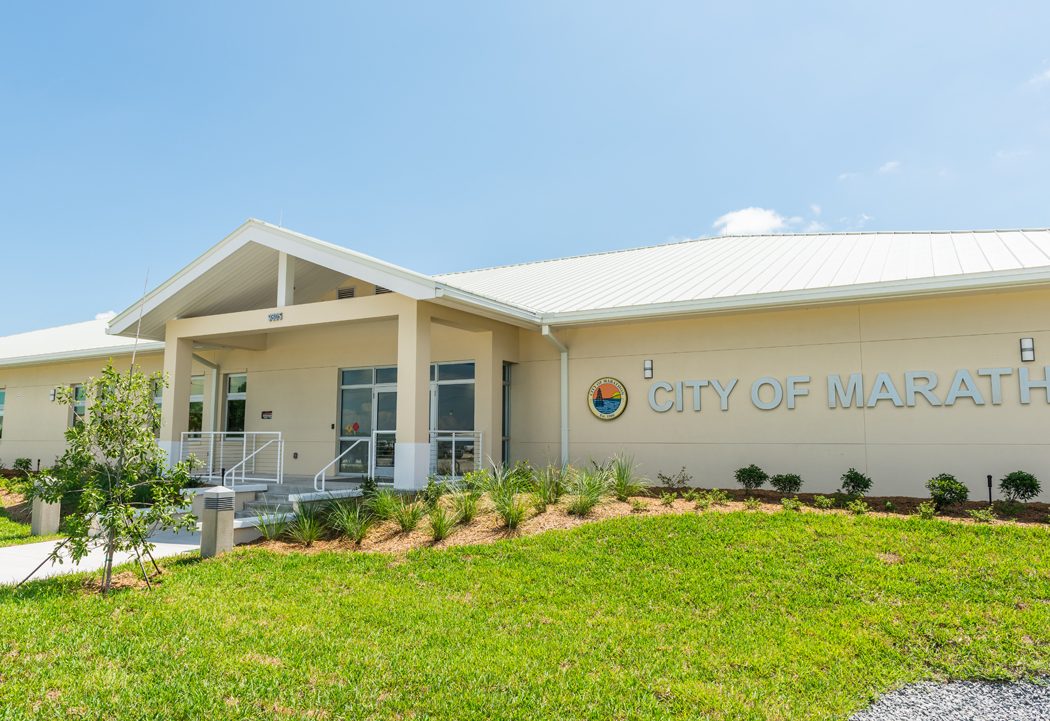
On July 12, the Marathon City Council agreed to a proposed tax rate of 2.77 mills, the same as the 2022 rate. The council will have two more budget meetings — on Sept. 13 and Sept. 20, both at 5:05 p.m. at Marathon City Hall — before the tax rate is finalized. Homeowners will pay $277 per $100,000 of the home’s tax assessed value.
According to Jennifer Johnson, Marathon finance director, the proposed millage rate is 17.15% higher than the roll-back rate, or the rate that would have collected the same amount of funds in 2022 as in 2023. The rate is based on rising property valuations in the city of Marathon, making it possible to collect more in taxes while keeping the rate flat. The proposed millage rate of 2.77 mills will generate almost $9.9 million in revenue in 2023 for the city’s general fund, up from $8.3 million in 2022.
The proposed budget includes appropriations for a 9.6% cost of living increase for staff; anticipated employee insurance benefits increases of 15%, three more public works positions and increased costs for consulting services for climate change-type studies.
Overall, the FY23 general fund revenues are projected to be about $19.8 million, while the estimated expenditures come in at $17.2 million, for a budget that increases unassigned reserves by about $880,000, and $1.7 million in restricted reserves.
The proposed budget would mean the city has $4.2 million in restricted reserves, and $16.3 million in unassigned reserves. The city has been proactively building its unassigned reserves fund since Hurricane Irma demonstrated the need for savings in the event of a natural disaster to pay for day-to-day operations and debris removal. With $16.3 million in reserve, the city estimates it has enough to operate for just short of a year if another storm would interrupt normal business.
The city has an annual general fund budget of $37.7 million for 2023. In addition to the ad valorem taxes in the general fund, the city operates on funds it receives for providing services, administrative fees and intergovernmental revenue sharing such as the half-cent sales tax.