







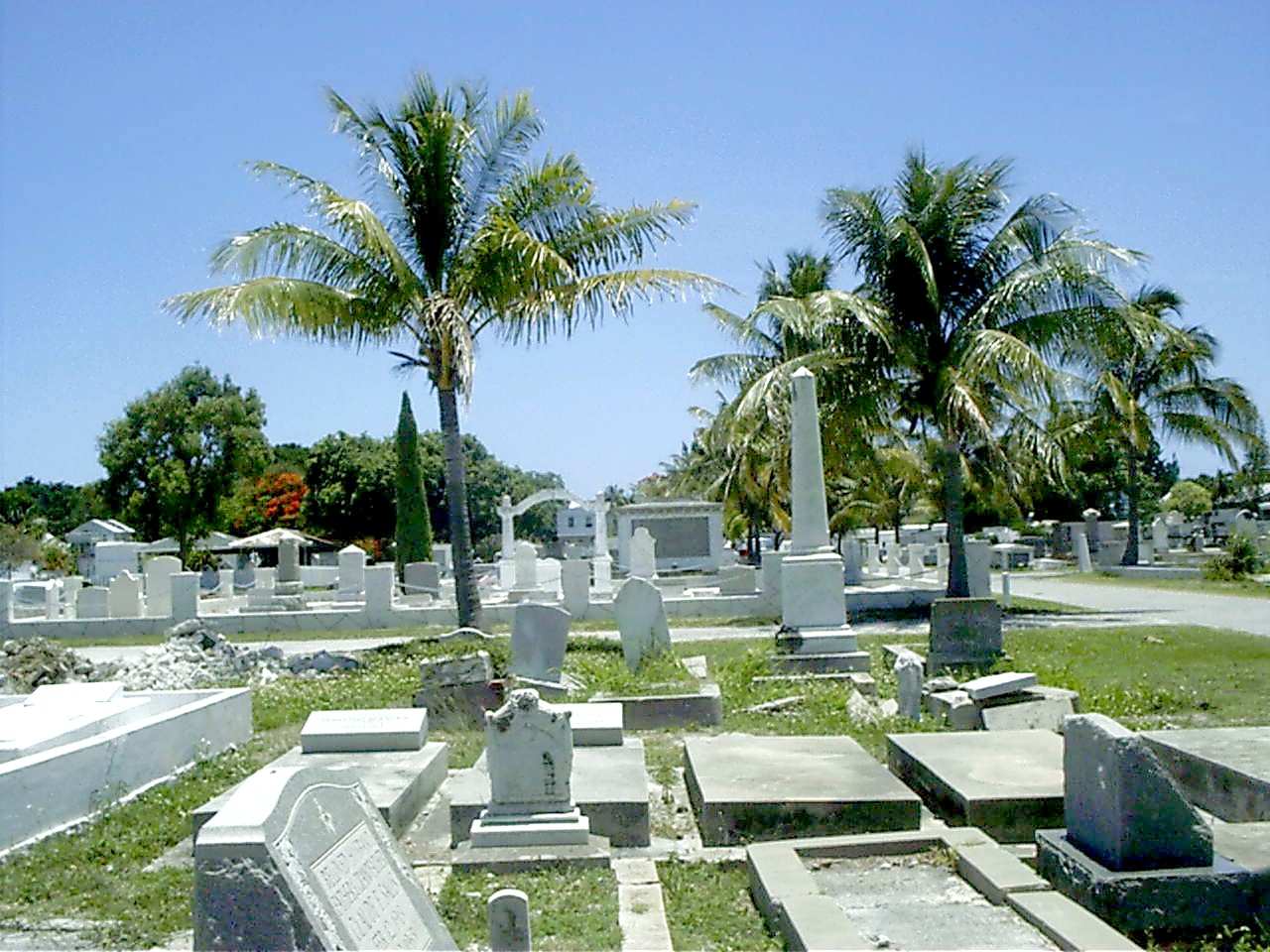
Thousands of people each year visit the historic Key West Cemetery, expecting to see a variety of things — historic graves of notable residents, sarcastic gravestones, native birds, family plots that date back several generations. And active funeral processions still wind their way through the cemetery’s private paths and roadways.
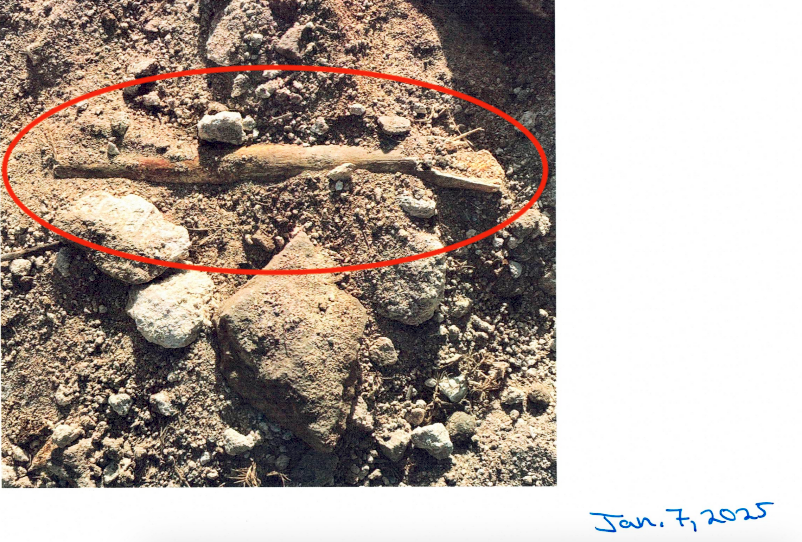
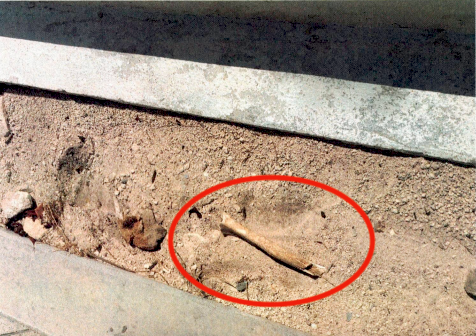
But no one expected to see exposed human bones lying scattered around a gravesite, where the ground had recently been disturbed by a city worker with a backhoe, said Diane Silvia, an archaeologist and director of the Historic Florida Keys Foundation, which conducts tours of the cemetery, which opened in 1847 at the highest point of the island. Silvia is also Monroe County’s contracted historic preservation planner.
In June of this year, Silvia met with city officials, including commissioner Monica Haskell, whose district includes the cemetery, as well as city manager Brian L. Barroso and community services director Marcus Davila and others. She presented a report that outlined concerns she and others have had with the Key West cemetery. Maryann Matter worked for the city as its cemetery archivist, but resigned in October 2024, writing in her resignation letter, “Nor will I be a party to ongoing activities harmful and counter to the protection and preservation of historic resources.”
The cemetery report, Silvia said, was prompted by a call she had received from a concerned resident, who had seen exposed bones at the cemetery.
“A citizen contacted me that there were exposed bones in a debris pile (inside a grave plot at the cemetery). I went and confirmed there was exposed human bone from the grave of Joseph Valdez and took photos but did not touch anything,” Silvia writes in her report. “I reported this incident to city management as the debris pile was destined to go to the dump. Someone, not me, filed an anonymous complaint with the Florida Division of Historic Resources. The division contacted me for information. They felt this incident was so grievous they requested an investigation. A special investigator from the Florida Department of Law Enforcement contacted me and said any future incidents should be reported to the Key West Police Department. I was then contacted by Jessica Cordero, an investigator from the Division of Funeral, Cemetery and Consumer Services. She said they were doing an investigation of the Varela Mausoleum and things appeared to be in order. Ms. Cordero said they were opening a second investigation of other disturbed plots.”
City spokeswoman Alyson Crean told the Keys Weekly on Dec. 9, “It’s my understanding that the state had closed its investigation with no findings against the cemetery, but I’m awaiting confirmation on that from our legal department.”
The Keys Weekly has requested a copy of the investigative report from the state’s Division of Historical Resources.
Silvia told the Keys Weekly on Dec. 8 that, according to Florida Statute 872.02(1)(a), it is a third-degree felony to willingly and knowingly “destroy, mutilate, deface, injure or remove any tomb, monument gravestone, burial mound, earthen or shell monument containing human skeletal remains.”
But, Silvia emphasized, a different Florida law gives an exemption to this for municipal cemeteries.
“Based on this exemption, it does not appear that the desecration of burials is a legal violation, but does the city really want to have an exemption for this exceptional historic cemetery? The cemetery represents those who created the history of Key West. It may not be legally wrong to desecrate graves, but is it ethically and morally wrong?”
Key West Mayor Dee Dee Henriquez is launching a cemetery revitalization committee that will hold its first meeting on Wednesday, Dec. 17 from 5:30 to 7 p.m. on the lawn of the Key West Harry S. Truman Little White House.
Cori Convertito, curator and historian for the Key West Art and Historical Society, along with historian Clinton Curry, will talk about the history memorialized in the cemetery.
“Enjoy light bites, community fellowship, and stories that bring our island’s history to life,” said Henriquez, “as we begin this important effort to preserve our city’s treasured cemetery for generations to come.”
Haskell said she has been troubled by the reports of disturbed graves as well as the city’s decades-long practice of declaring a grave “abandoned” if they cannot reach any surviving relatives with ties to the privately owned burial plots. If a gravesite is deemed abandoned, then the plot apparently can be resold, in which case the existing burials are covered with a cement pad, and new, above-ground vaults can be built atop the cement. But in some cases, the gravestones and markers identifying the people originally buried there have been moved or lost, according to Silvia.
“I’m concerned about the historic as well as the human value of our cemetery,” Haskell told the Keys Weekly on Dec. 10. “We need to have reverence for those who are interred there and to preserve our history. Just because some people don’t have any living descendants, I don’t think a grave should be considered abandoned. I don’t view the cemetery as a piece of real estate, but as a place of history and commemoration. And the abandonment of a grave would be a crime if not for the designation as a municipal cemetery.
“The exposed bones were shocking,” Haskell said. “But fortunately our director of community services has said that he has since purchased ground-penetrating radar and other technology to be able to identify what’s buried, because to use a backhoe in a crowded cemetery doesn’t seem right at all.”
Haskell said she plans, in the coming year, to ask her fellow commissioners to revisit some of the city’s ordinances governing the cemetery.
“I don’t think the practices occurring are prohibited by our laws, but perhaps they should be,” she said.
Silvia’s June report to city officials makes recommendations that she hopes will be considered.
“The Land Development Regulations Chapter 22 should be updated and specify that when a cemetery plot is sold, all existing graves may not be disturbed. Furthermore, ground penetrating radar completed by an experienced operator should be used to determine vacant space.
“Excavation in preparation for a second below ground burial should be supervised by an archaeologist or funeral director to ensure the first marked burial is not disturbed.
“Historic burials should be protected the same way we protect historic structures. People live, work and visit because it is in Old Town, and the cemetery is the heart of it.”