









In a Keys community better known for fishing than circuit boards, two programs are shaping the next generation of innovators.
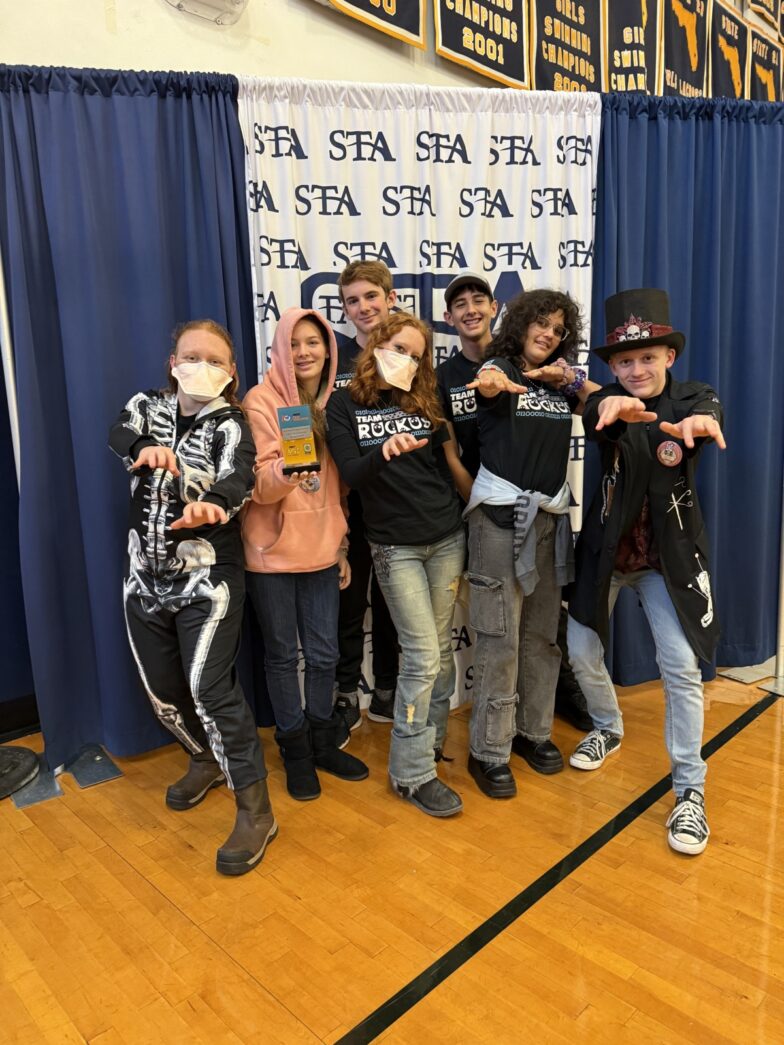
Ruckus Robotics, operating under the nonprofit Ruckus Inspires, and the Stanley Switlik Elementary School robotics team are providing Marathon students hands-on opportunities in STEAM (science, technology, engineering, arts and math).
Ruckus Robotics began with a single child’s curiosity.
“A couple of years ago, my son got really interested in robotics and was looking for something to do, and realized there really wasn’t anything related to robotics in the Keys,” said Catherine Snowden, one of Ruckus’ coaches. “So he ended up forming Ruckus Robotics, which has now grown to be Ruckus Inspires.”
What started as a small group has expanded into a broad hub for students ages 7 to 16. While robotics remains the core, students now explore rocketry, combat robotics, coding and film production.
“They’re really focused on everything encompassing that STEAM,” Snowden said. “Since we are a (nonprofit), we work on getting grants and donations so that we can keep it at no cost for the kids.”
The group meets four to five evenings a week in a space donated by local outdoor audio and lighting company Coastal Source.
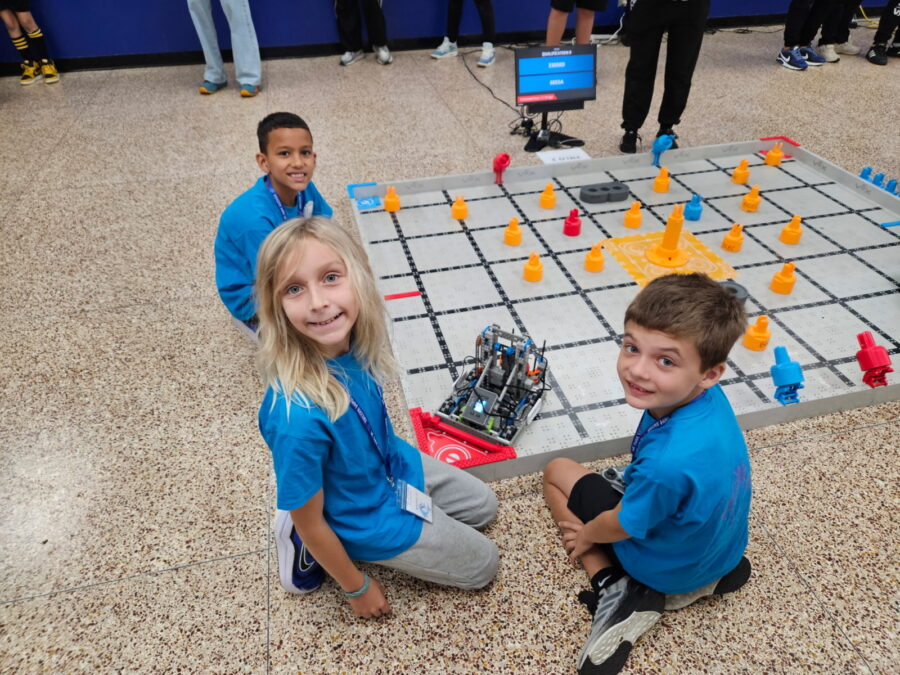
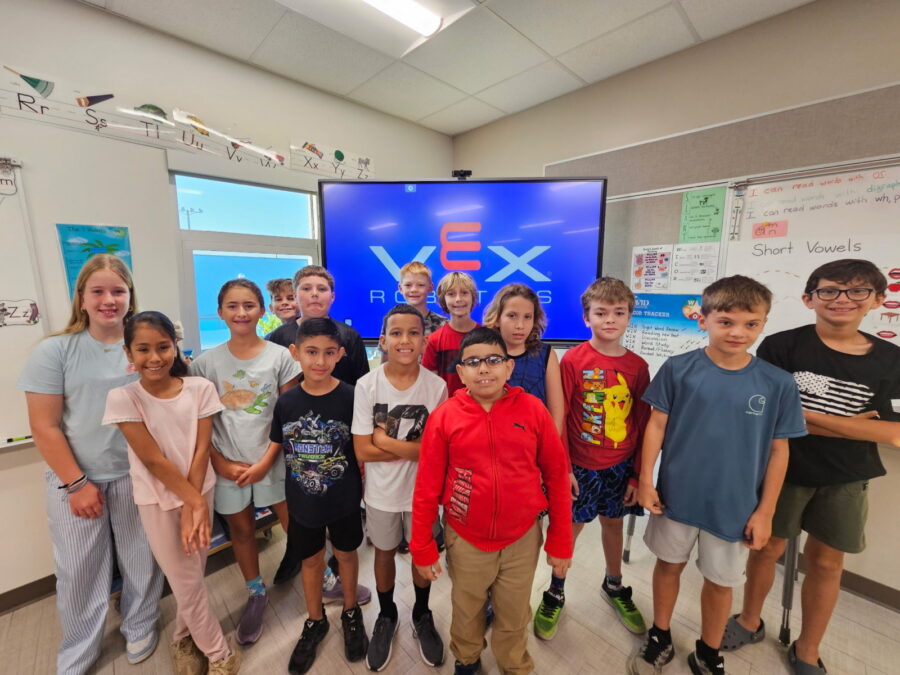
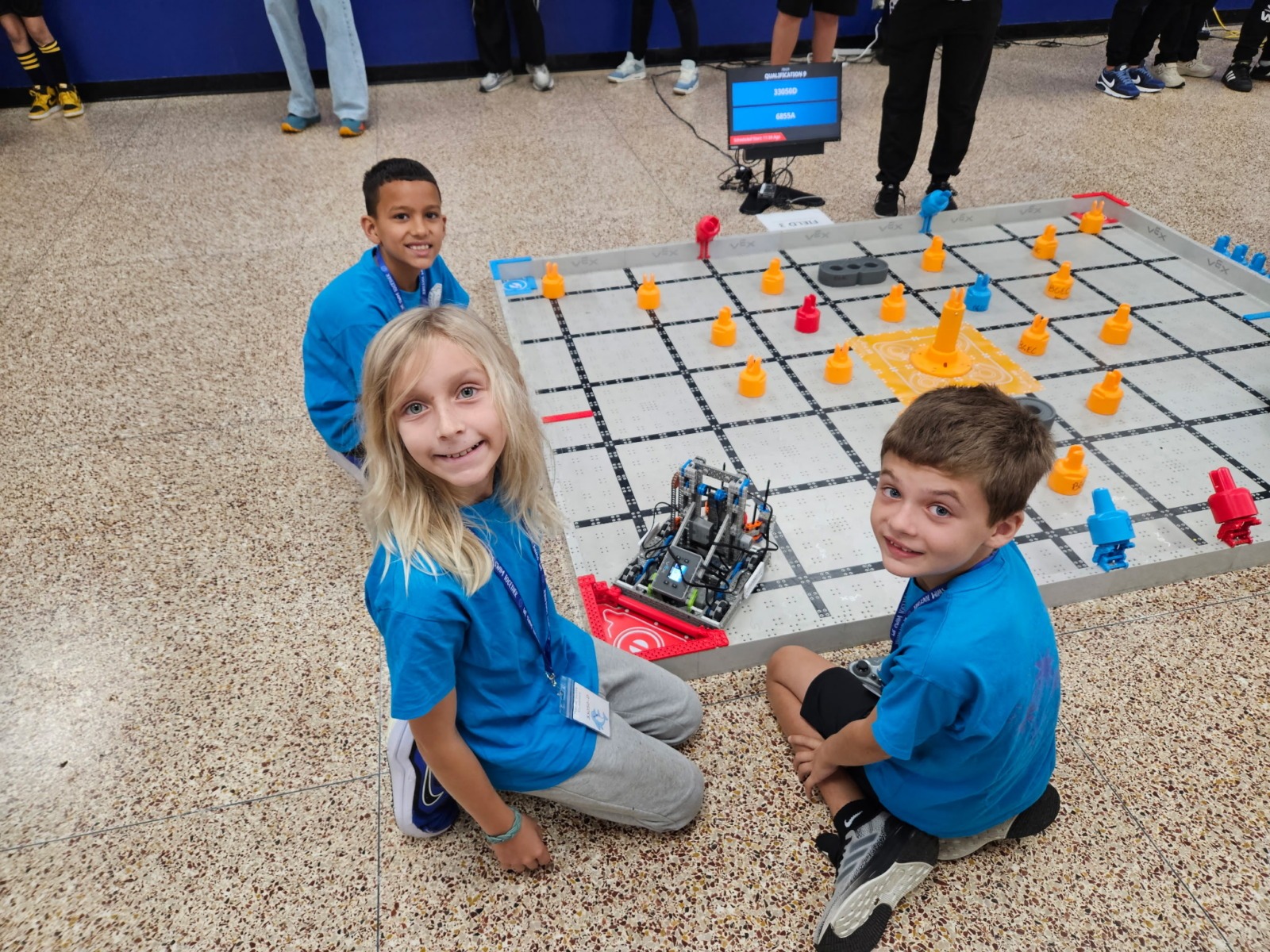
Across town at Stanley Switlik Elementary, robotics happens an hour before the first school bell rings. Teacher and coach Abi Willis stepped in to lead the VEX Robotics program to ensure it remained available for local students.
“The teacher before me ended up having to move out of the Keys, and so I took it over when she decided to move, because I wanted my son to still be able to participate,” Willis said. Her son, Skylor, was also one of Ruckus’ first members.
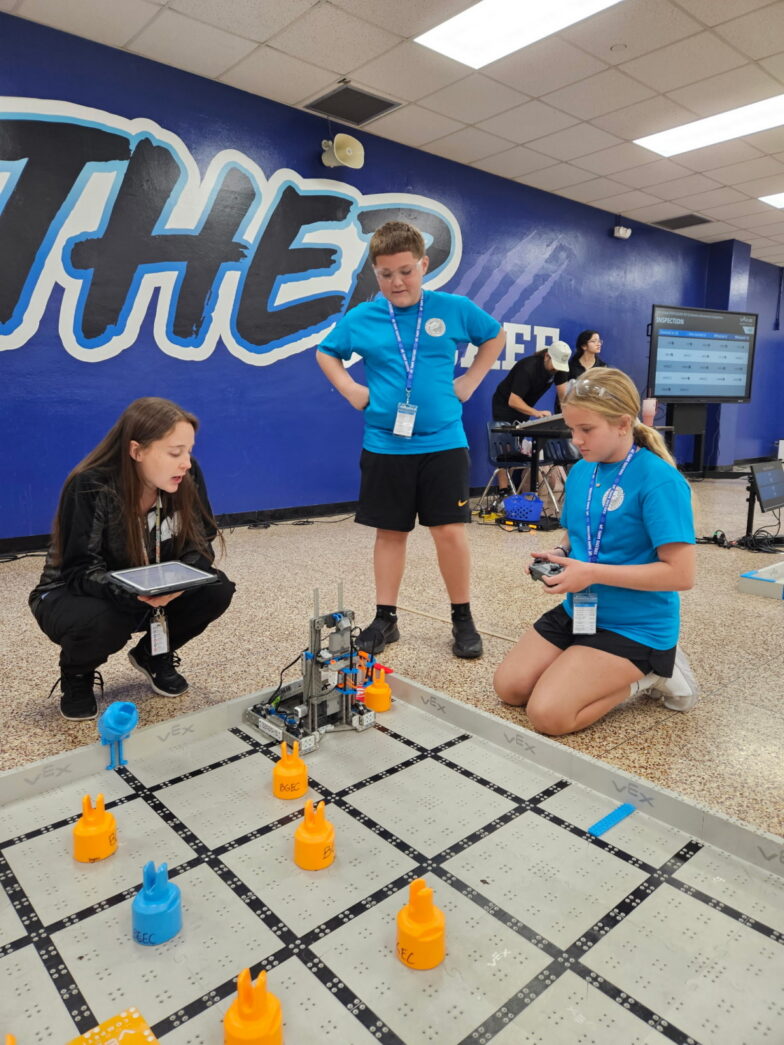
The Switlik team, open to fourth and fifth graders, competes in the international VEX Robotics program. This year’s challenge, “mix and match,” required robots to stack colorful pieces to score points. Many students participate in both programs to maximize their experience.
“In both robotics clubs, I have made new friends and have gotten to hang out with people I wouldn’t normally be with,” said Skylor Willis. “I have learned how to code robots with different programs and have gotten a chance to drive (robots). I got to learn how to build with VEX parts. I like thinking of ideas and putting them into reality.”
In January, the Switlik team traveled to Miami to face 22 teams. Despite it being their first year, one Switlik alliance finished fourth overall.
“Our students have learned so much about building and coding robots, as well as how to plan and work collaboratively with each other,” Willis said. “It was amazing to see them planning out their game strategy with students they had never met before.”
Marathon’s roboticists are also seeing success in the FIRST LEGO League.
“With our LEGO League team, they went to the qualifier, and for the second year in a row, they won the Champions Award, which means they are the highest-ranking team in all categories at their event,” Snowden said. “They also won the Robot Performance Award, which means they have the highest-scoring robot during the competition.”
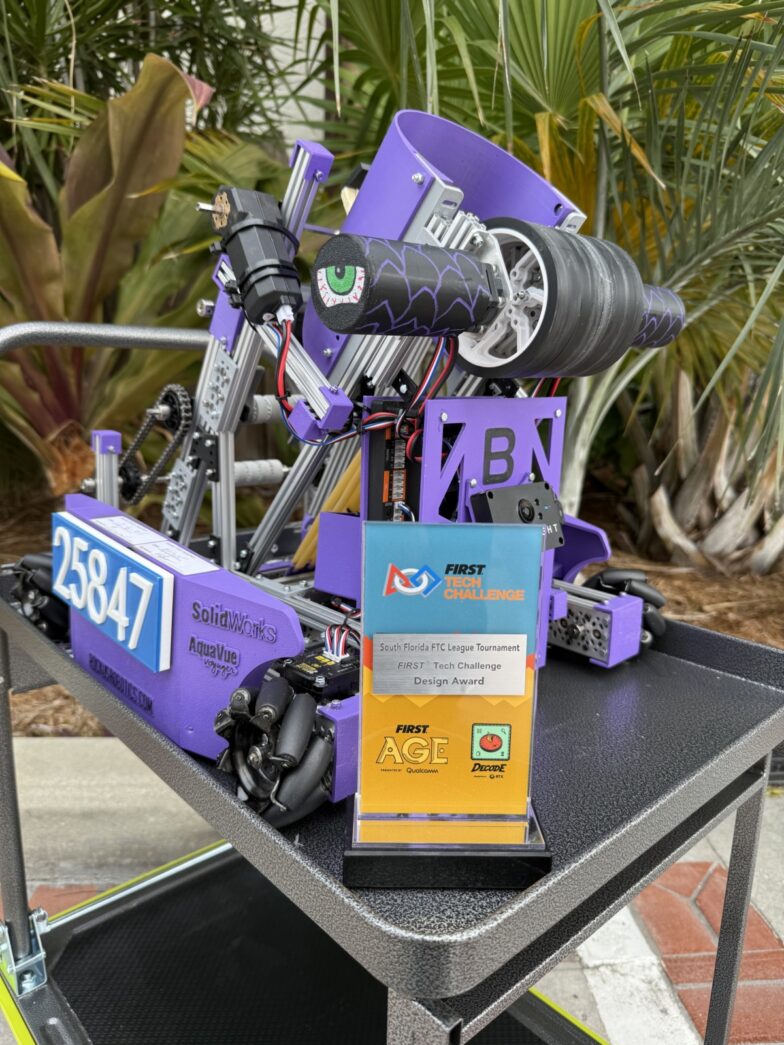
Beyond the trophies, the FIRST Tech Challenge (FTC) team is working on high-level engineering.
“Our FTC team also won the first-place Design Award for their robot, which is about a 25-pound, 18-by-18 robot,” Snowden said. “It’s designed to shoot balls into a target.”
These programs offer more than just hobbyist skills; they provide a path to the future. Participation through the high school age opens the door to about $80 million in scholarships.
Between early mornings at Switlik and late nights at Ruckus Inspires, Marathon’s young innovators are proving that big ideas can thrive on a small island.