










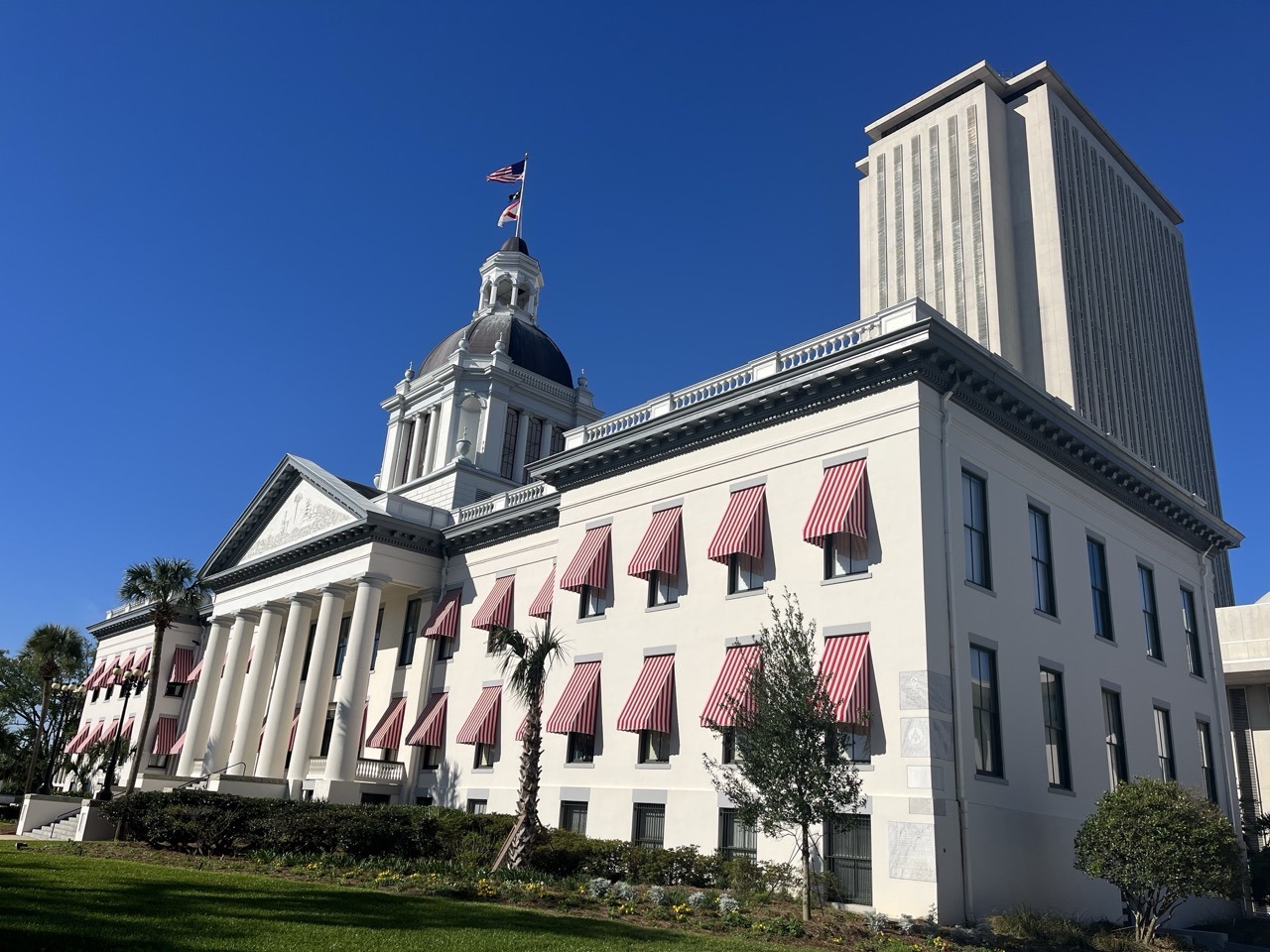
A recent legislative committee week in Tallahassee brought a flurry of proposals related to the reduction or elimination of property taxes in Florida.
By Oct. 16, seven Florida House Republicans filed joint resolutions, which would require a three-fifths majority vote of the Legislature in order for them to appear on the 2026 ballot. They would then need 60% support from state voters in order to pass.
A majority of the proposals filed in the House maintain property taxes for local K-12 schools. For local governments, however, ad valorem dollars would either be reduced or outright gone.
Property taxes are paid based on the millage rate set by the municipality’s governing body and the property’s assessed value. The money goes to general fund operations of governments and schools. They support operational expenses of fire rescue and police and various departments.
A variety of tax exemptions are offered in Florida, including the homestead exemption that lowers the property’s taxable value up to $50,000. There’s also the Save Our Homes amendment, which caps the amount property taxes rise per year to no more than 3% regardless of property value changes. Exemptions are also in place for active duty military members and veterans.
But state leaders are finding more ways to relieve the property taxpayer’s burden.
A majority of the proposals preserve funding for law enforcement but not fire rescue. A majority of non-school property tax dollars in the Florida Keys and throughout the Sunshine State go toward fire rescue and law enforcement. For instance, a little more than 69% of unincorporated Monroe County ad valorem dollars, or $117 million, goes to public safety.
One proposal, filed by state Rep. Kevin Steele of Pasco County, would exempt homestead property from all ad valorem taxation besides K-12 school district levies. His proposal also prohibits counties and municipalities from reducing the total funding for law enforcement beginning with the 2027-28 fiscal year.
“The total funding provided by each county and municipality for law enforcement services may not be less than such jurisdiction’s total budgeted amount for law enforcement services in either the 2025-2026 or 2026-2027 local fiscal year, whichever was higher,” reads Steele’s bill.
State Rep. Monique Miller’s filed resolution proposes to increase the homesteaded property exemption by $100,000 annually during a 10-year period. By 2037, the property would be exempt from property taxes, other than school district levies. Miller’s bill also prevents local municipalities from reducing law enforcement funding.
A proposal by state Rep. Juan Carlos Porras, of Miami-Dade County, would only give homestead property tax exemptions to those over the age of 65. His bill, too, would safeguard law enforcement funding. Another bill brought forth by state Rep. Shane Abbott would add a homestead exemption for levies, other than school district levies, equal to 25% of the remaining assessed value after applying existing exemptions.
Rep. Demi Busatta’s resolution would increase the exemption for homestead properties with property insurance by $100,000 from all ad valorem taxation, besides school district levies. Rep. Toby Overdorf’s bill would increase the Save Our Homes benefit, while a proposal by Rep. Philip “Griff” Griffiths would modify limitations on assessment increases for homestead and nonhomestead property.

On top of the House joint resolutions is one bill filed in the House by state Rep. Jon Albert to limit millage rate increases from the previous year, unless the local municipality’s council or board approves it via two-thirds vote. Unlike the House joint resolutions which need legislative and voter approval, Albert’s bill would need approval from the Legislature and Gov. Ron DeSantis.
A staunch advocate for the elimination of property taxes in homesteaded properties, DeSantis has made numerous statements that Floridians who bought property shouldn’t constantly face taxation. He called the House proposals a “political game” and not a serious attempt to get it done for the people.
On the other side, House Speaker Danny Perez has criticized DeSantis for failing to release a detailed plan on how to eliminate property taxes.
While stating his support for measures to relieve some of the property tax burden, especially for those over 65, state Rep. Jim Mooney said he doesn’t believe eliminating property tax is feasible. If any measure makes it to the ballot in 2026, Mooney said, legislators must clearly explain to the voters the positives and negative sides to such a move.
“If property taxes get eliminated down the line, I don’t know how governments are supposed to operate. I like the fact our parks look good and our roads are paved,” he said.
If anything, Mooney said, the discussion surrounding the possible elimination of property taxes drew local governments to scrutinize and reduce their spending for the current budget cycle.
“Maybe that’s what needs to be done ultimately,” he said.
The legislative session in Tallahassee begins Jan. 13 and is scheduled to conclude March 13.