


Key West officials and residents last month celebrated the opening of a new neighborhood at Truman Waterfront. The long-awaited and often-delayed Lofts at Bahama Village feature 98 affordable rental apartments and 28 affordable homeownership condominiums. The development has been a joint effort among the city, AH Monroe and the for-profit VestCor development company.
A similar affordable condominium development, The Railway Condominiums, preceded the Lofts by about 17 years. Its owners have spoken recently with some city commissioners about what they view as a loophole in their condominium governing documents that they warn could also exist for the Lofts. (The Keys Weekly is requesting and reviewing those documents.)
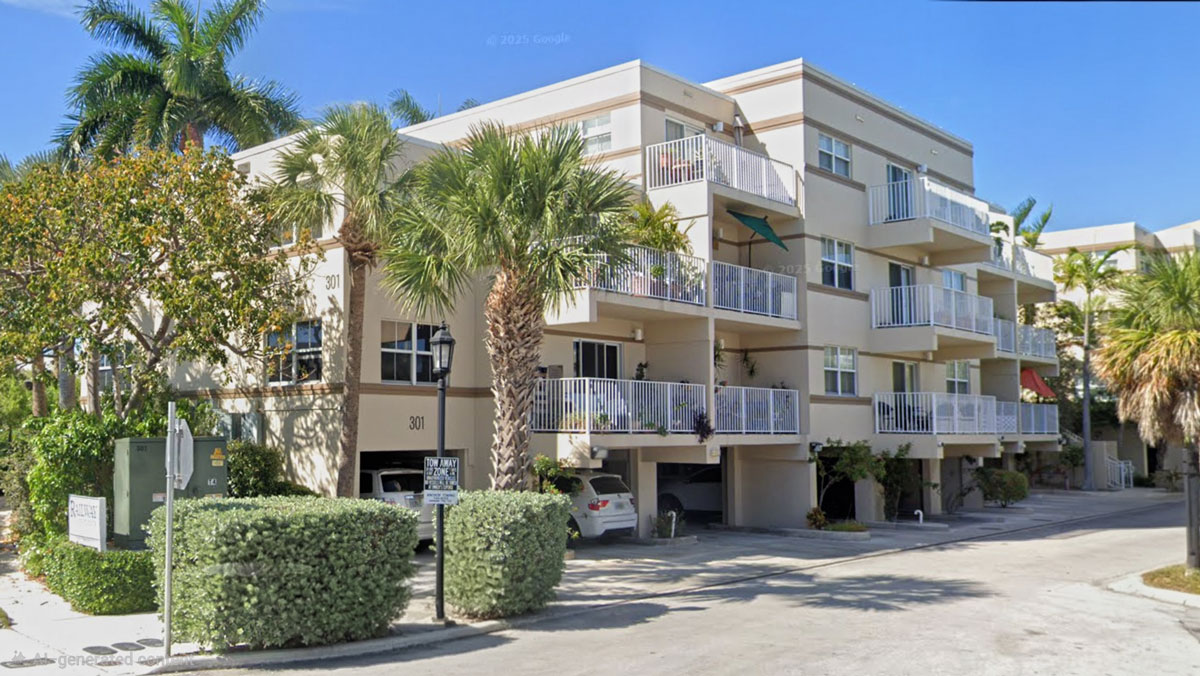
The Railway Condominiums at Caroline and Grinnell streets were built in 2007. The first owners, many of whom still live there, moved in in 2008. The complex consists of 38 mostly two-bedroom units. The Railway has made home ownership possible for working residents who could not otherwise afford to buy property in Key West’s real estate market.
A paperwork package known to Railway owners as the “condominium documents” details their rights and responsibilities as members of the Railway Condominium Association. The documents also outline the rights of Old Town Key West Development LLC, which built the complex and retains the right of first refusal when one is for sale, meaning the developers have the first shot at buying back a Railway condominium. The company was created in 2004 by local businessman Ed Swift with business partners Chris Belland and the late Moe Mosher, who also founded Historic Tours of America, which operates tours and attractions in Key West and six other U.S. cities.
Railway unit owners are prohibited from renting out the unit they own, an arrangement that has contributed to the close sense of community the owners have cultivated over the past 17 years, said founding owner Julie Brown, who is president of the Railway Condominium Association. But the development company is not bound by the same rules, and when it exercises its right of first refusal to buy a Railway unit, it can then rent it out. That’s what has happened in recent months, prompting the Railway Condominium Association in September to send a letter to the company expressing “surprise and deep disappointment regarding recent actions taken by the developer that negatively impact our community.”
The development company, up until the past year or so, had not exercised its right of first refusal, and Railway units were typically sold via word-of-mouth to another qualified, working resident, Brown said.
More recently, though, the developer has bought two units and is renting them out to employees who work for Historic Tours of America.
“While technically permitted under the condo documents, these recent actions violate the spirit and intent upon which our community was founded,” states the Railway association’s Sept. 11 letter to the development company. “We feel strongly that these actions are neither ethical nor the original intent of this association. … Specifically, the purchase of a unit for the purpose of converting it into a rental is deeply troubling, as it directly opposes the spirit and intent upon which our community was established.
“Since its inception, Railway Condominium Association has prioritized an owner-occupied model, as outlined in the original purchase agreements and community guidelines. Residents purchased their homes with the understanding and assurance that this would be a place where neighbors invest long-term, build relationships, and take pride in shared stewardship. …
“The use of the developer’s right of first refusal to acquire units for rental conversion undermines this foundation. Our greatest concern is that such a trend will accelerate, causing more owners to sell, therefore eroding our sense of this community. …
“These acquisitions reduce scarce ownership opportunities for our local workforce. … Your organization has the resources to secure market-rate housing for your employees elsewhere, and we see no justifiable reason to diminish workforce homeownership within our small, close-knit association or on this island. In light of these concerns, we respectfully call for an immediate halt to the practice of acquiring additional units for conversion to rentals. We urge the Developer to honor the owner-occupancy requirements set forth in our governing documents and to support the continued growth of an owner-based neighborhood,” the letter states.
Swift told the Keys Weekly that he was aware of the letter from the condo association, but emphasized that, as the letter itself states, the development company has the right to rent out the units it owns.
“But I do intend for the people who are currenting renting those units to someday buy them,” Swift said last month. “It may take them a few years, but I want nothing more than for my employees to be able to own a home here and stay in Key West, so it is my intent that they eventually buy and own the unit. Granted, it may take five years or so.”
Key West City Commissioner Monica Haskell, whose district includes the Railway Condominiums, has spoken with Brown and other condo association members about the situation.
“It seems like someone was asleep at the wheel with those agreements,” Haskell said. “The developer buying the units back and renting them out changes the dynamic and characteristics of the neighborhood. Certainly, the intent was for it to be homeownership opportunities.”
Haskell said she hopes the Lofts agreement doesn’t give those developers the same privilege, and wants the city to be aware of the potential implications such as this when signing long-term agreements. “I don’t understand why the city would agree to anything ‘in perpetuity,’” Haskell said.


