







By Brynn Morey
Pollinator Week is an annual event celebrated globally to raise awareness about the importance of pollinators and their role in maintaining ecosystems and food security. It goes through June 23, and aims to highlight the threats facing pollinators, including habitat loss, pesticide use, climate change and diseases. It promotes actions to protect them and serves as a platform for advocating for policies and practices that support pollinator conservation.
Florida is privileged to harbor a diverse range of pollinators including honeybees, bumblebees, butterflies, other insects, hummingbirds, and even mammals like bats. In the Florida Keys, there are dozens of different types of vital pollinators. Their diversity reflects the rich variety of flora and habitats found in the Keys, maintaining the health and balance of our unique ecosystem.
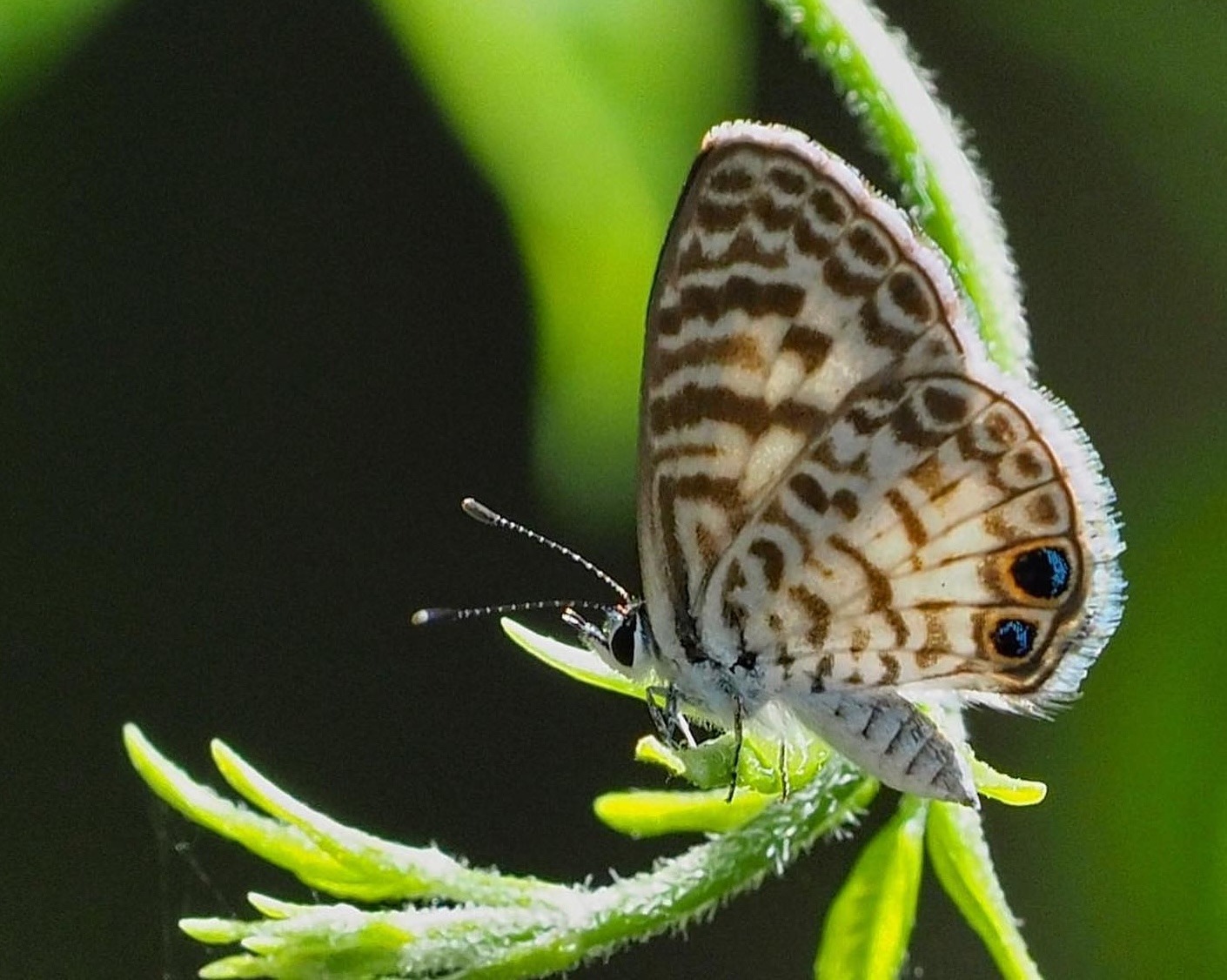
Some examples of these magnificent pollinators are the gold green sweat bee, delta flower beetle, leaf cutter bee, southern carpenter bee, honeybee, mangrove skipper butterfly, gulf fritillary butterfly, cassius blue butterfly, monarch butterfly, tantalus sphinx moth, hummingbirds and various moths and flies.
Pollinators play a critical role in maintaining ecosystem health by facilitating the reproduction of flowering plants, ensuring genetic diversity, resilience and stability. Their contribution to biodiversity is vital, enabling the reproduction of a wide array of plant species essential for ecosystem functioning. Moreover, pollinators are indispensable for food production, pollinating numerous crops like fruits, vegetables, nuts and seeds crucial for human sustenance.
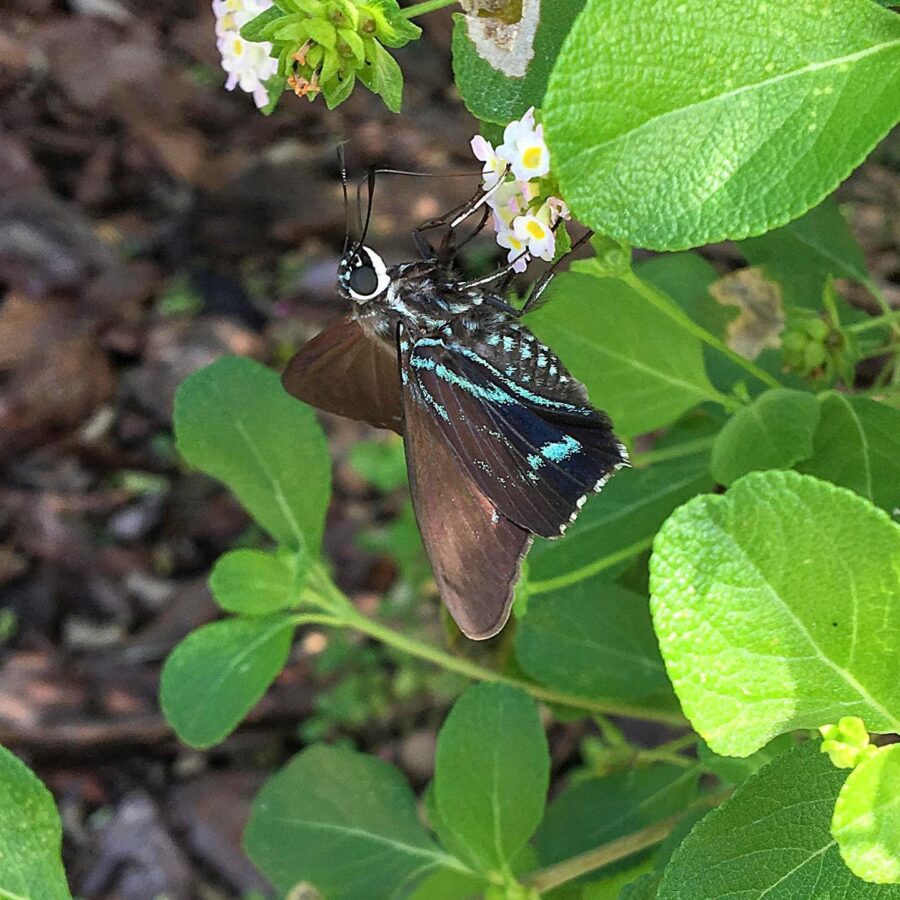

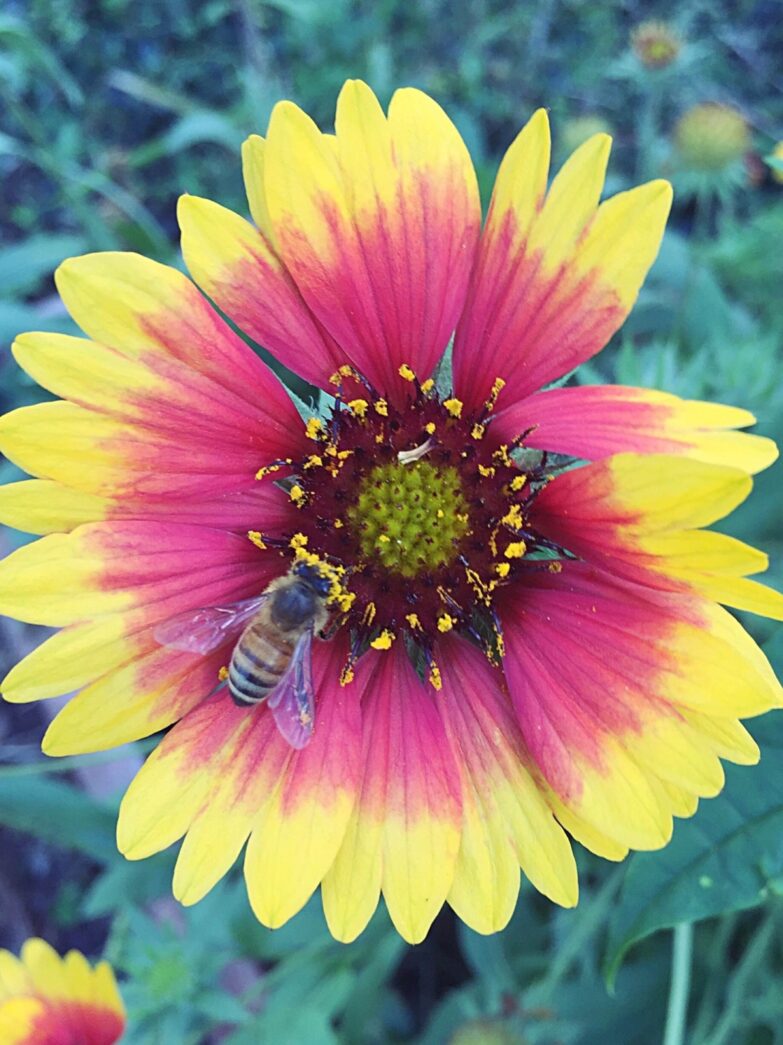
Economically, pollinators are also invaluable, contributing billions to the global economy annually, sustaining industries like agriculture and beekeeping. Additionally, pollinators are essential for the reproduction of medicinal plants, supporting pharmaceuticals. They also provide wildlife habitat and food, indirectly supporting diverse animal populations. Through pollination, they enable fertilization and seed production which are crucial for plant reproduction. Culturally, pollinators hold significance worldwide, celebrated in art, literature and religious ceremonies, symbolizing the harmony between nature and humanity.
There are many different threats to native pollinators in the Keys. Habitat loss from invasive plant introduction, urban development (roads, lawns and nonnative gardens), increased use and misuse of weed killers and pesticides, and climate change. However, we can make a difference and protect these vital creatures in many ways.
Try planting a pollinator garden with lots of diverse native plants that will provide pollen sources and nectar. You can also provide nesting sites for pollinators by planting native trees, tall grasses, shrubs and even providing bee nesting blocks in your yard. Try to avoid or limit your usage of pesticides. You can do this by encouraging beneficial insects, accepting some damage to your plants, hand removing pests with gloves or a strong water spray and by choosing the least toxic pesticides for your plants, such as neem oil.
Through our collective efforts, we can contribute to the preservation and conservation of these delicate yet powerful contributors to our natural and unique ecosystem. Pollinator Week plays a crucial role in raising awareness about the importance of pollinators and inspiring action to protect them for the health of ecosystems and food systems worldwide. More information on starting a pollinator garden or safe pest management is available from Monroe County Extension Services at 305-292-4501.