











Friday, May 16 is National Endangered Species Day. It is important to raise awareness of some of the most critically endangered species that call the Florida Keys home.
The Keys are known for their breathtaking coral reefs, diverse marine life and unique ecosystems. However, despite their natural beauty, the Keys face significant environmental challenges that threaten the delicate balance of these ecosystems. Among the most pressing concerns is the decline in various species that inhabit the region; many are classified as endangered. These species are at risk of disappearing forever.
From mangrove forests and seagrass beds to coral reefs and pine rocklands, the Florida Keys are home to a wide range of ecosystems. These diverse habitats support an abundance of wildlife, some of which are found nowhere else in the world. However, rapid development, habitat loss and pollution have all contributed to the decline of many species.
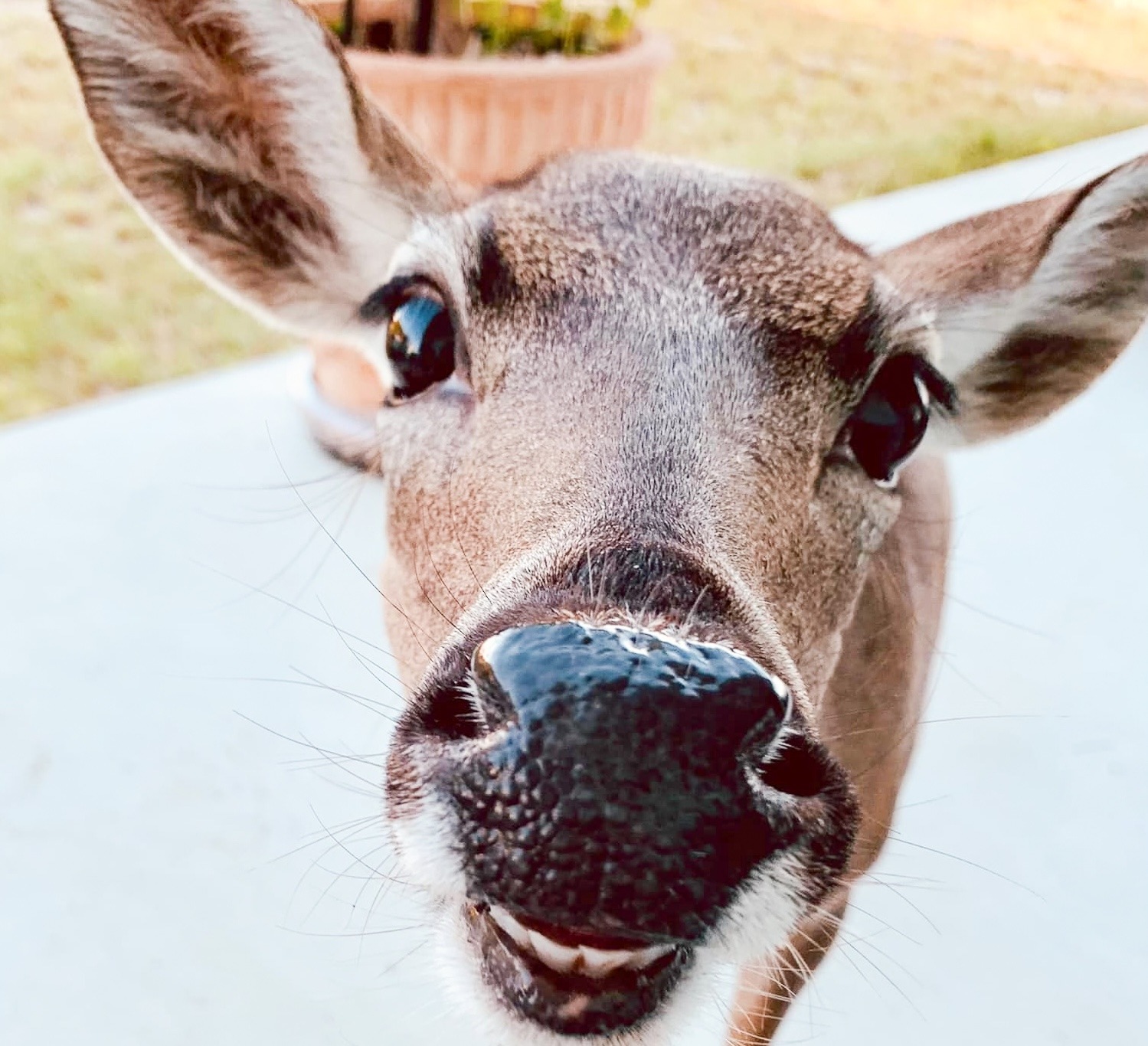
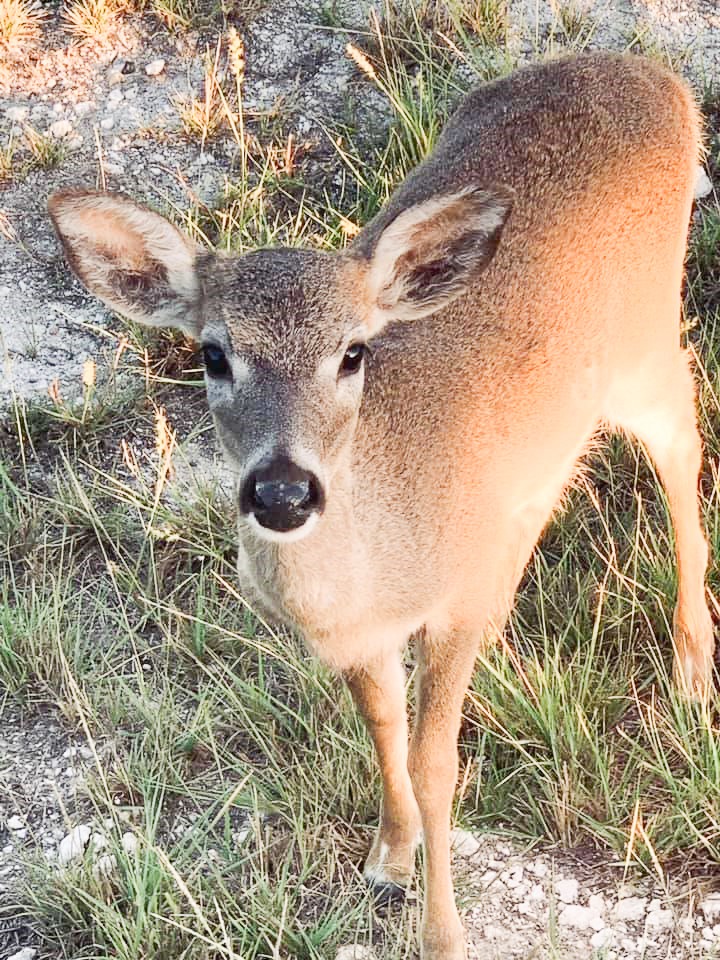
The Key deer is one of the most iconic endangered species of the Keys. With a population of fewer than 800, this small, delicate deer is primarily found in the National Key Deer Refuge on Big Pine Key. These deer are threatened by habitat degradation, as well as vehicle collisions on roads. Conservation programs are in place to protect the Key deer, including vehicle speed limits and habitat restoration.
The smalltooth sawfish is now critically endangered, with the Keys as one of its last strongholds. This unique ray, easily recognized by its long, saw-like snout lined with teeth, prefers shallow coastal waters, mangroves and seagrass beds for breeding and feeding. Habitat loss, entanglement in fishing gear, disease and slow reproduction have severely reduced its population. Conservation efforts in the Keys focus on habitat protection, research and public awareness to help restore this ancient species to healthier numbers.
The Atlantic loggerhead sea turtle is a species of marine turtle that frequently nests on the beaches of the Keys. These turtles face numerous threats, including destruction of eggs by raccoons, habitat destruction, entanglement in fishing gear and accidental capture in shrimp trawl nets. Warming oceans and rising sea levels also pose a significant risk to this species, as they could affect their nesting sites. Conservation efforts, including beach monitoring, the protection of nests and policy changes that require turtle-excluding devices on shrimp nets, have proven to be successful. These efforts have significantly increased turtle populations over the years.

The Key Largo woodrat is a rare and critically endangered rodent found only in the hardwood hammocks of Key Largo. With fewer than 50 remaining in the wild, this species is at risk of extinction due to habitat destruction, predation by non-native species, and competition for food. Conservation efforts include habitat restoration and the removal of invasive predators to provide a safer environment for this species. Captive breeding programs have been established at Lowry Park Zoo in Tampa and Disney’s Animal Kingdom in Orlando, but captive females average only one offspring per year, while wild females typically have two litters a year with three or four pups.
The Miami blue butterfly is a critically endangered species native to the Florida Keys. Once widespread across coastal South Florida, it has now been reduced to a single wild population in the Key West and Great White Heron National Wildlife Refuges, with fewer than 100 remaining. This decline is attributed to habitat loss, coastal development and invasive species such as the green iguanas eating the butterflies’ host plant, nickerbean. Conservation efforts, including captive breeding and habitat restoration at Bahia Honda and Long Key state parks, aim to stabilize and recover the species.
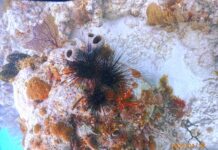
Coral species found in the waters around the Florida Keys are in severe decline due to ocean warming, disease, pollution and coral bleaching. Elkhorn and staghorn corals, once the foundation of the region’s vibrant coral reefs, are now listed as endangered. Coral restoration programs have shown promise in helping these species recover, but the ongoing threats of ocean temperatures and human activity remain major challenges.
The future of endangered species in the Keys depends on continued conservation efforts and the collective actions of the local community, environmental organizations and public awareness campaigns. Enhancing habitat protection, restoring damaged ecosystems and educating the public about the importance of preserving these species are all critical steps in safeguarding the unique biodiversity of the Florida Keys. These efforts have proven to be successful in the past, which is why they are so important for our future.
By protecting these endangered species, we help preserve the beauty and diversity of the Keys and ensure the survival of some of the world’s most remarkable and unique creatures. The Florida Keys’ ecosystems are an irreplaceable natural treasure, and it is up to all of us to ensure that these endangered species continue to thrive for generations to come.