





What started as a modest mom-and-pop motel in the early 1980s has grown into one of the world’s leading centers for sea turtle rescue and education. This year, the Turtle Hospital in Marathon marks its 40th anniversary, celebrating four decades of caring for injured sea turtles and inspiring people to protect the oceans.
General manager Bette Zirkelbach said one word captures both the animals and the organization: resilience.
“I talk frequently about resilience, because that’s … used a lot to describe sea turtles,” she said. “They’re amongst the oldest animals known to man, and they were in our oceans when dinosaurs were on our land. I often think about the resilience of the Turtle Hospital itself. Forty years is a long time and we’ve gone through a lot of changes in the Florida Keys. I’m just so glad to be a part of this amazing organization.”
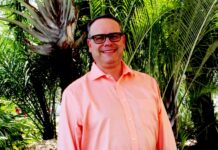
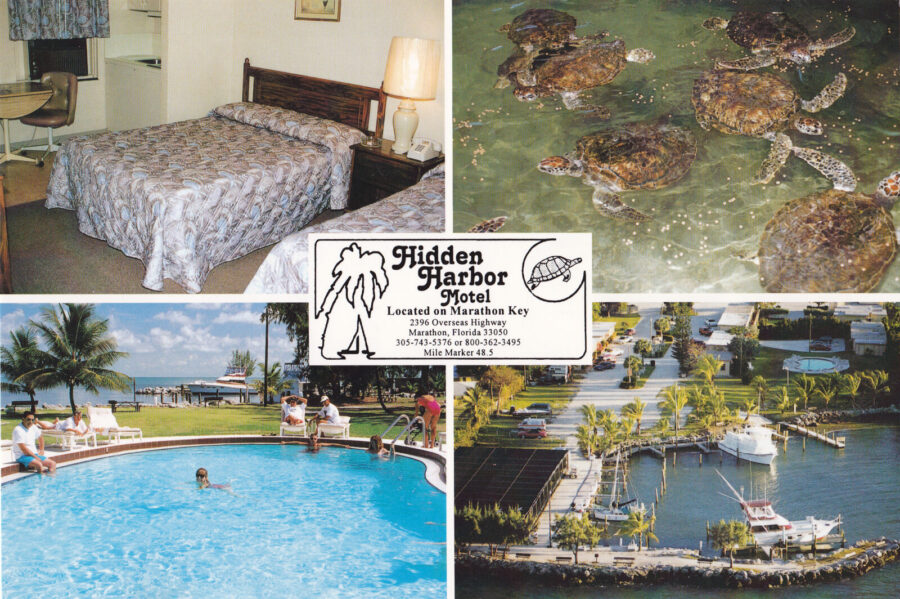
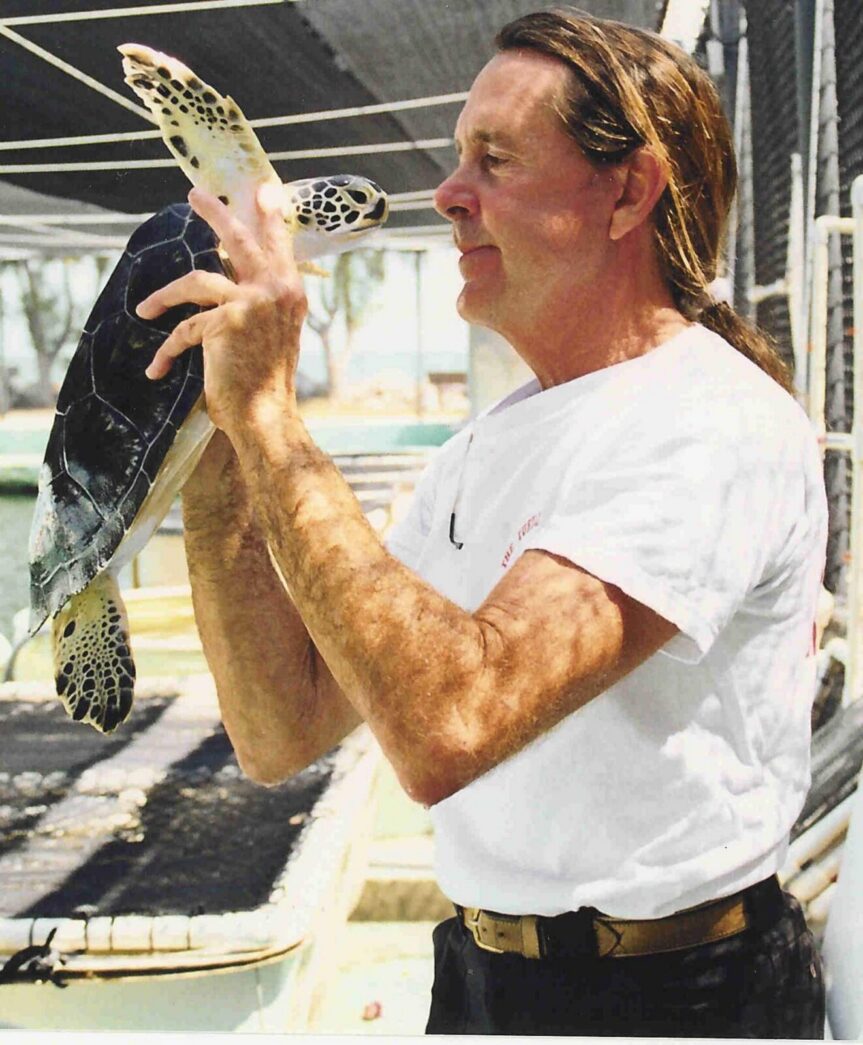
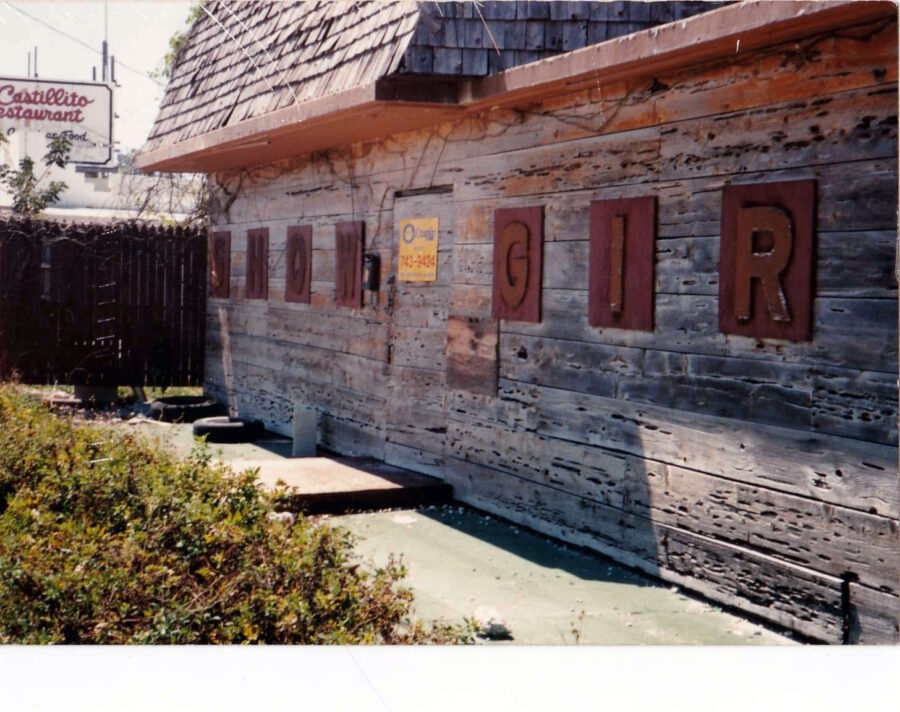
The story began when founder and director Richie Moretti came to the Keys to retire and fish. He and his partner, Tina Brown, bought the Hidden Harbor Motel, a classic Keys property with a natural saltwater tidal pool for guests. Moretti added a freshwater pool, then started placing fish caught in local tournaments into the tidal pool so they wouldn’t die after weigh-ins.
“This was nothing I planned to do, but I’m so glad I did it,” said Moretti. “I had over 100 employees in Orlando at the time fixing Volkswagens, so this was very different. The best thing I ever did was to move to Marathon and just play with the motel and fix up the turtles.”
In a short time, they had an aquarium, discovered shortly after by schools that began bringing students to learn about Keys marine life – planting the seeds of what would become the hospital’s education program.
In the mid-1980s, during the height of “Teenage Mutant Ninja Turtles” popularity, every school group had the same request: “Can we see a turtle?” Moretti went to the state of Florida to ask for a sea turtle for the pool. By then, the aquatic reptiles were protected.
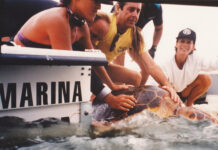
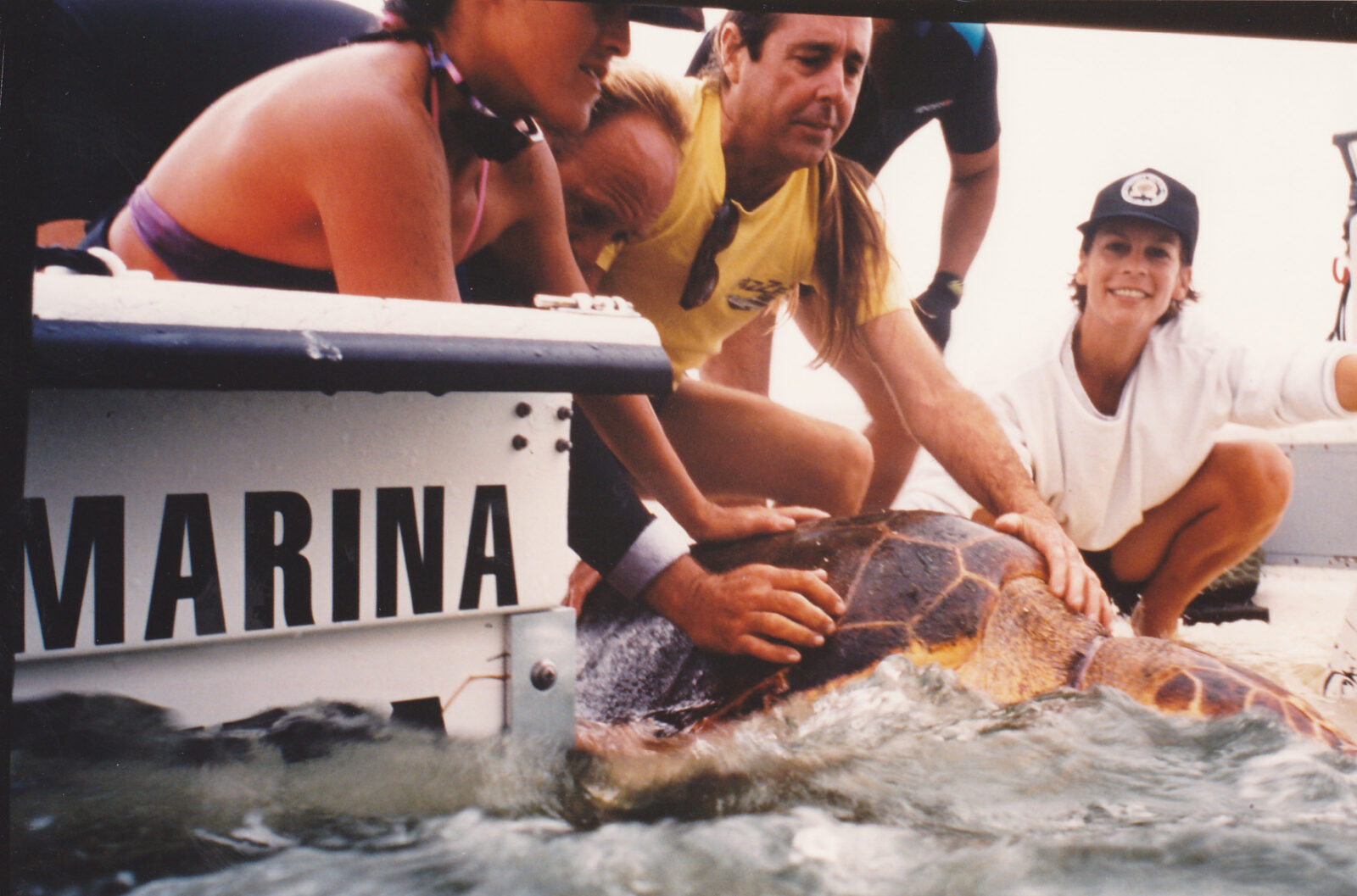
“They said the only way you can put a turtle in the pool is if you help it,” Zirkelbach said. “That was his first rehab permit for sea turtles, and the rest is history. It became his life’s passion, and the Turtle Hospital is what it is today.”
For years, staying at the Hidden Harbor Motel meant an affordable room and a chance to see recovering sea turtles. Room rentals helped pay for the animals’ care. But in 2005, Hurricane Wilma flooded the property with 5 to 6 feet of water. Rather than reopen the motel, Moretti made a defining decision: the Turtle Hospital would fully open to the public, and admission fees would fund turtle care.
Zirkelbach joined the team in 2012, tasked with helping the nonprofit become self-sustaining. At the time, there were eight employees. Today, that number has grown to 32, and the hospital runs 15 educational programs a day. The growth has been exponential, shifting from 75 visitors on a heavy day to more than 700 a day during the peak season. That growth has had a direct impact on conservation.
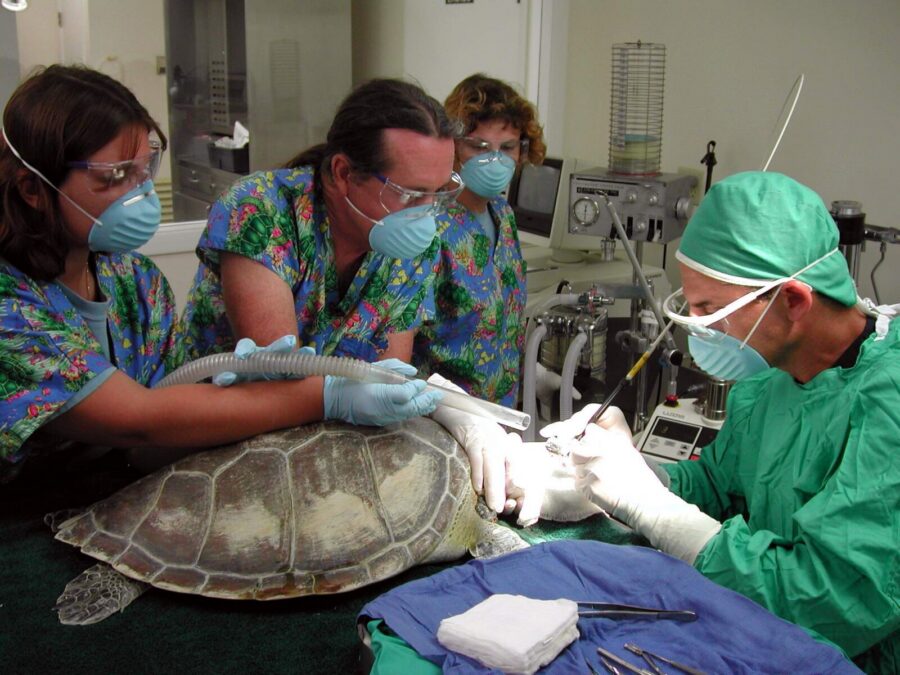
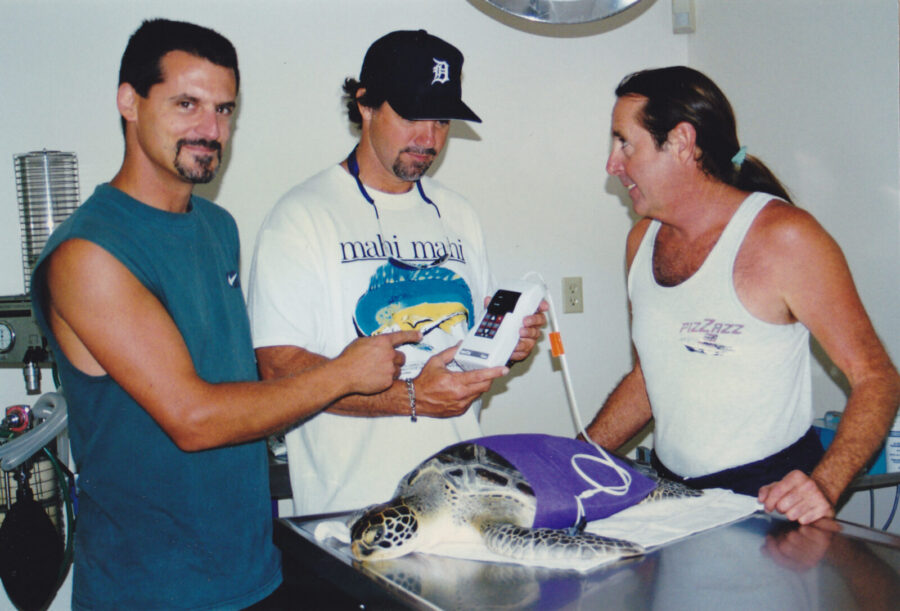
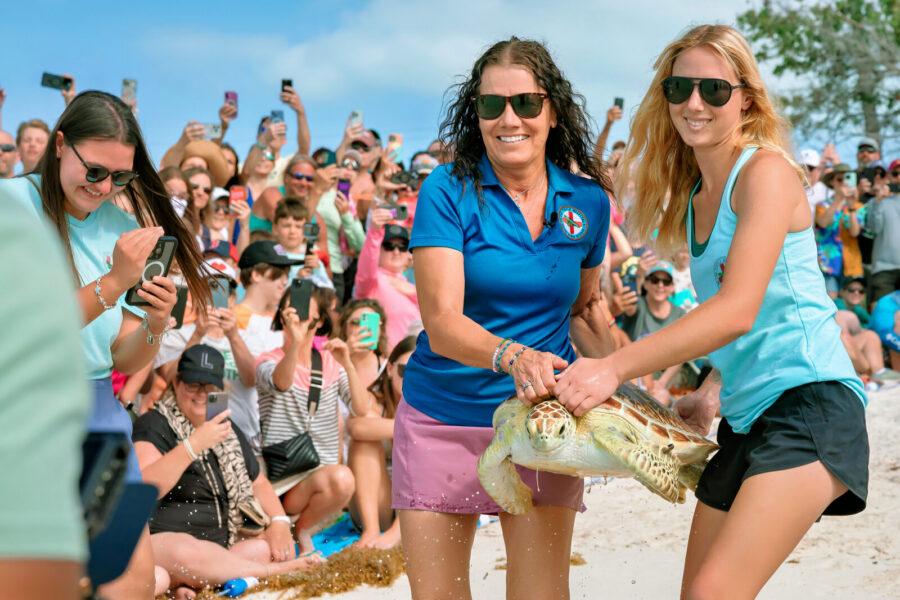
“Now, six out of 10 of our rescue calls come from people who have been through our educational programs,” Zirkelbach said. “Those admission fees pay for the operating budget, which pays for the care of the sea turtles and research that helps turtles globally. These people are the same people that go diving, fishing and boating on our islands. Now they know what a sick sea turtle looks like, they care, and they know who to call.”
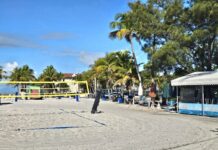
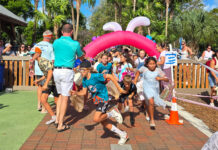
Today, Zirkelbach said the hospital is viewed as one of the gold standards for eco-tourism, “which is what we want. We want people to come to our islands and help take care of our resources.” Releases at local beaches in Marathon and Key West are can’t-miss spectacles, drawing crowds of hundreds and giving kids an up-close look at the fully-recovered animals ready to return to their ocean homes.
The facility is a fully-licensed veterinary hospital, the first of its kind for sea turtles in the world. A full-time veterinarian is on-site every other week, while specialty surgeons fly in for complex procedures. Some turtles are transported to Miami to see a veterinary ophthalmologist. The organization’s reach now extends far beyond Marathon.
“We have a global platform,” Zirkelbach said. “Our social media audience is over a million, and it really does change the way people see their world and help them to care, not just about sea turtles, but the oceans. When people see us take such good care of sea turtles, it makes them want to care.”
Financially, the hospital has achieved another major milestone: It raised enough revenue to purchase the property from Moretti, who ensured the mission’s permanence by placing a deed restriction on the land. The property can now only be used for sea turtle conservation, protecting the hospital’s legacy.
“I want the Turtle Hospital to go on forever,” said Moretti. “That’s why we’ve been purchasing more property and improving the property that we have. My goal is to put everything into it so that they will eventually own everything.”
Forty years after a fisherman’s retirement project turned into a mission, the Turtle Hospital stands as a testament to what a small island community can accomplish when it decides to protect the creatures that share its waters.
“I’ve always said if you can see it you can do it,” explains Moretti. “And I see a bright future ahead.”More information is at turtlehospital.org, via email to turtlehospital@turtlehospital.org or at 305-743-2552.