











If I had a dollar for every time someone told me they were so busy, I’d have enough for a week’s stay at a silent retreat — which, at this point in my life, sounds a hell of a lot better than adding another thing to my to-do list. Speaking of to-do lists (they’re great, BTW) — they can also become a full-time job if you let them. Being organized is great, but being over-managed, even if it’s by your own doing, is not.
Here’s the thing: somewhere along the line, we started treating busyness like a badge of honor. The fuller the calendar, the more successful we must be, right? Wrong. Constant motion doesn’t equal meaningful progress — it just means you’re tired, distracted and probably one more “urgent” email away from snapping at your loved ones.
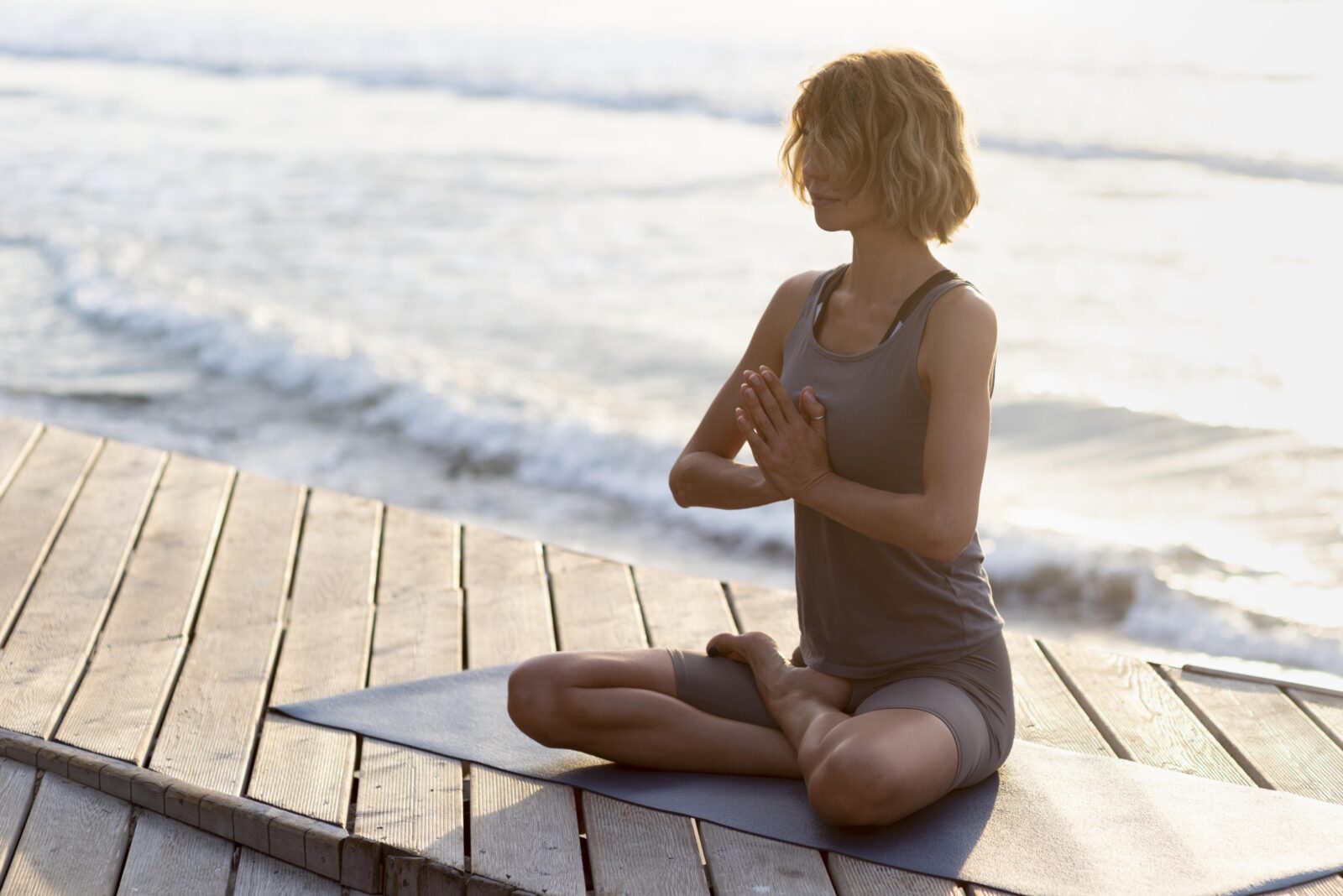
Stillness is the new flex. It’s the quiet confidence of not rushing to fill every space. It’s choosing presence over productivity, calm over chaos. It’s pausing long enough to feel your own life instead of sprinting through it like it’s another box to check.
When your nervous system is overworked, it’s like your body’s internal alarm clock never shuts off. You’re constantly on “high alert” — maybe you can’t fall asleep even when you’re exhausted, your patience is paper-thin and your heart seems to beat faster than it should during simple tasks. Scientifically speaking, this is your sympathetic nervous system (your fight-or-flight response) doing overtime while your parasympathetic nervous system — the one responsible for rest, digestion and recovery — barely gets a word in.
Over time, this imbalance creates a storm of stress hormones like cortisol and adrenaline that flood your system. You might call it anxiety, irritability or “just being busy,” but your body knows it as survival mode. And survival mode isn’t meant to be a lifestyle. It keeps your muscles tense, your digestion sluggish, your immune system weaker and your brain foggy.
Here’s where the magic of saying no comes in — especially when what you’re saying no to doesn’t feel aligned. Every time you set a boundary that protects your peace, your nervous system gets the signal: we’re safe. That safety cue activates the vagus nerve, which helps flip you back into parasympathetic mode — lowering your heart rate, deepening your breath, improving digestion and even boosting mood-stabilizing neurotransmitters like serotonin and dopamine.
In other words, “no” isn’t rejection — it’s regulation. It’s your body’s way of whispering “thank you for listening to me.” Actually, not all will whisper. Somebody’s body out there is definitely going to scream “it’s about damn time.” (If you laughed at this, it’s going to be yours, I promise.)
So maybe this week, instead of sprinting from sunrise to sunset, you let the nervous system do what it’s been begging for — rest. Take that “no” as permission to actually live where you live. Sip your coffee slowly enough to watch the light change on the water. Let the wind, not your calendar, set the pace for a minute. Because the truth is, even paradise loses its magic when you’re too stressed to feel it. Sometimes the most elevated thing you can do for your health — and your happiness — is to sit still long enough to hear the waves remind you: You’re already right where you need to be.