




Key Vaca is the heart of Marathon, and Marathon bills itself as the heart of the Florida Keys.
As the highway crosses the island, its stories can be obscured by buildings and signs. As a history guy, long-time resident of the Keys, and bartender, when asked about Marathon, I have three go-to recommendations.
The first is a beach. People ask about beaches all the time. Believe it or not, the Florida Keys are not known for their beaches. They are few, far between and do not generally live up to visitors’ expectations. Beaches here rarely look like those envisioned when people talk about tropical (even sub-tropical) islands.
However, Marathon has Sombrero Beach. If you are traveling with children, this is the ideal spot to let them dig their toes in the sand and frolic in the water — especially for little snorkelers. Convenient parking, picnic pavilions, volleyball courts, restrooms and showers make Sombrero Beach an ideal place to spread a towel over the sand, soak up some warm Florida sun and cool off in those soothing Atlantic waters.
The second thing I recommend is Coast to Coast. Over the past two-plus decades living in the Keys, I’ve had a lot of pizza — and a lot of it is pretty mediocre. One of my favorites, outside of Key West, is Coast to Coast. On most trips to Marathon, whether driving down to Home Depot or a meeting of the Monroe County Historic Preservation Commission, I come back to Sioux Street with a pizza from Coast to Coast.
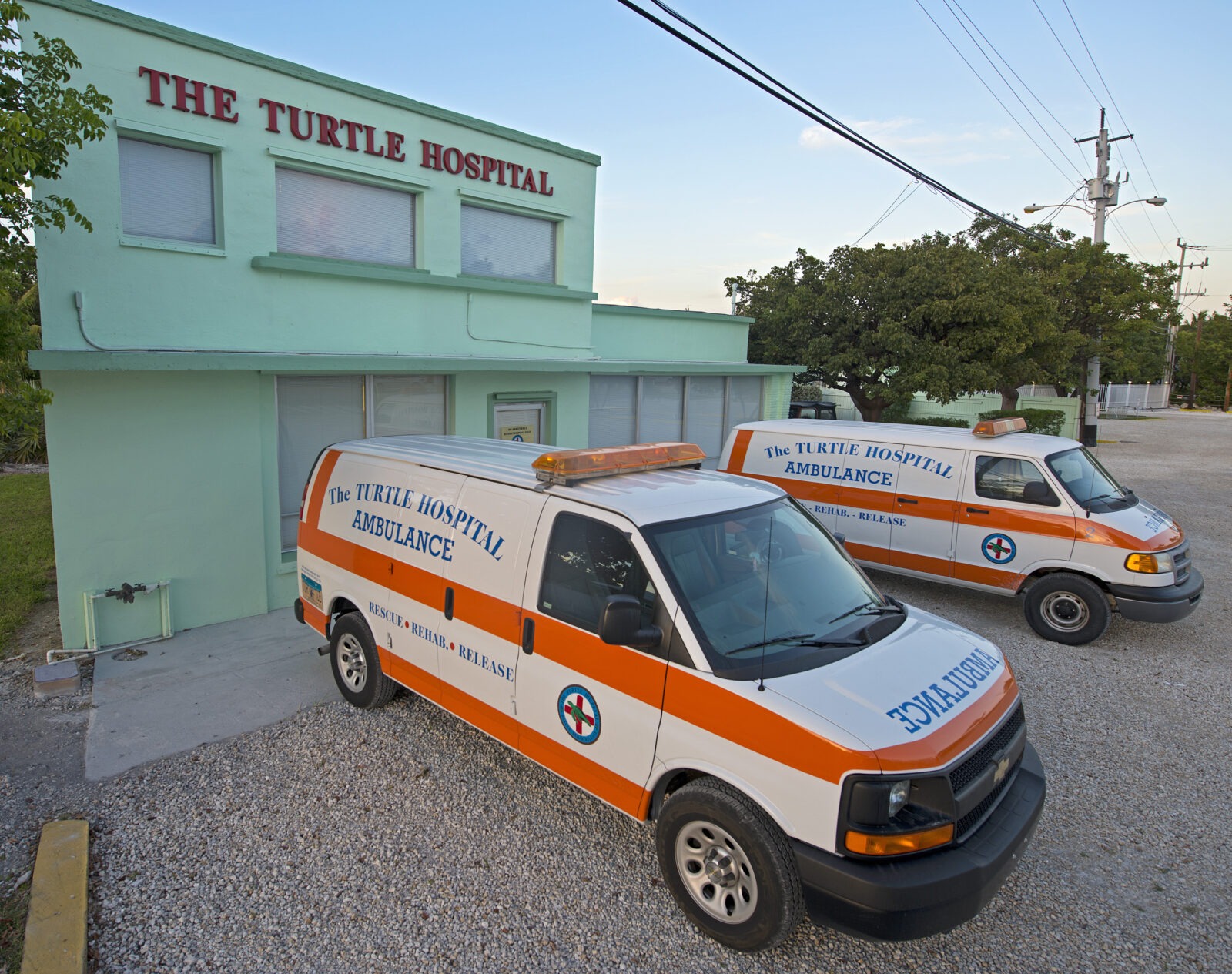
The third thing I recommend is the Turtle Hospital. Back when tourism was a burgeoning industry in the Keys, it was the Hidden Harbor Motel. Built in 1951, Hidden Harbor was just another place to spend a night or two for fishermen and visitors in sleepy Marathon. It was still in operation in the 1980s. The swimming pool was added in 1982. Today, it represents one of the most unusual roadside attractions in the world.
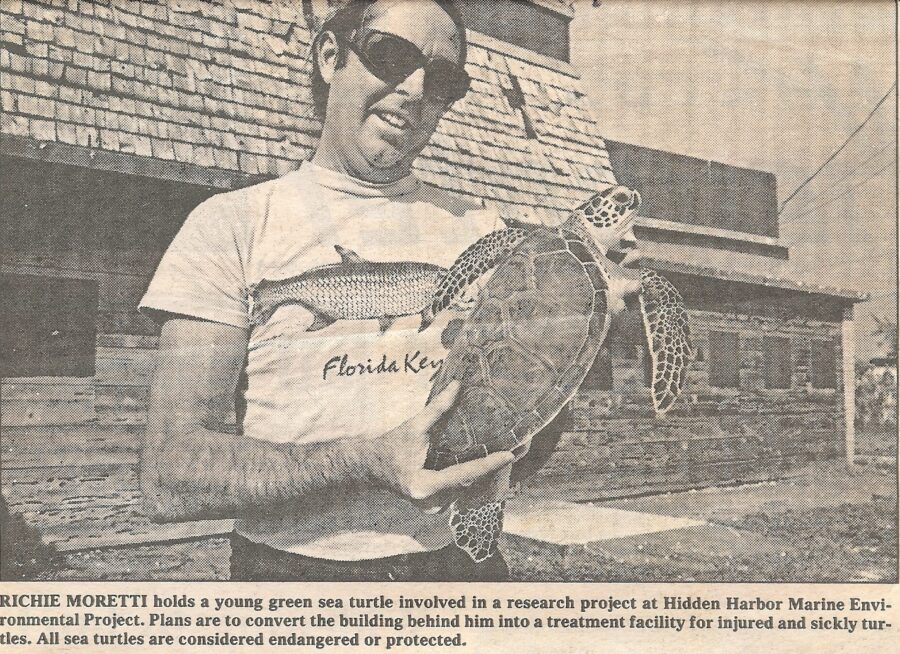
The big change came when Richie Moretti retired from his auto body shop in Orlando, packed up his life and moved to the Keys. He made two big purchases: a fishing boat and the Hidden Harbor Motel. One of the things Moretti did was introduce local sea life into the pool. It became an aquarium his guests could peer into, one with a sawfish, goliath grouper, snook, eels, lobster, starfish and queen conch.
It wasn’t long before visiting school children were seeing a conch or starfish for the first time. The really good trouble started when Moretti wanted to introduce a sea turtle to the pool. A turtle was not allowed. Keeping a sea turtle required a permit. Moretti applied for the permit but decided to go one step further. Because there were no turtle rehabilitation facilities in the Keys, Moretti recruited a local veterinarian and began applying to have Hidden Harbor become a certified turtle rehabilitation facility.
In 1986, he received a permit not just to house sea turtles, but to treat the injured ones.
Things have changed a bit since the Hidden Harbor Motel transformed into a must-stop experience. Did you know that when an olive ridley or Kemp’s ridley turtle sees a cigarette butt floating in the water, it thinks it’s a shrimp and gobbles it down? When a plastic bag undulates in the open water, it is often mistaken for a jellyfish by the leatherback turtle, the largest turtle in the world, and eaten. Plastic bags and cigarette butts are not digested and just sit in the stomach, taking up space.
Most of the turtles find their way to the Turtle Hospital for three primary reasons: boat impacts, a herpes-like virus called fibropapillomatosis and the entanglement or ingestion of discarded monofilament and garbage like cigarette butts and plastic bags that leave them in a compromised state.

Today, the Hidden Harbor Marine Environmental Project is a nonprofit with a mission not only to educate the public but also to rehabilitate and release injured and sick turtles back into the open water. It was the first state-certified veterinary hospital for sea turtles in the world and one of the most worthwhile stops residents and visitors alike can make. After touring the hospital and learning about the good work being done, there is a visit to the old swimming pool housing the turtles that cannot be released back into the wild.
As a history guy, what cannot be ignored is that after driving across Key Vaca, the heart of Marathon, there are still two islands to cross before the breathtaking Seven Mile Bridge appears. First, there is Hog Key. For anyone interested in railroad history, it is a fantastic stop. At Hog Key, you can board a little railcar tram that takes you out to Pigeon Key, a former railroad camp that houses some of the oldest buildings outside of Key West. Pigeon Key was designated a National Historic Landmark in 1990. Visit the island, explore the old railroad buildings, marvel at the period photographs and artifacts and soak in some bona fide Florida Keys atmosphere.
After passing Hog Key, Knights Key is largely occupied by the Isla Bella Resort. It is the last island before rolling onto the big, beautiful bridge. A long time ago, it was home to a community that sprang up about the same time the U.S. flag was planted on Key West in 1822 when Lt. Mathew Perry sailed up on the schooner USS Shark.
On Feb. 10, 1823, the following notice was placed in the Pensacola newspaper, the Floridian. The advertisement appeared in a section called “A Notice to Mariners,” and stated that Port Monroe “has the advantages of a large and spacious harbor and the proprietors are furnished with experienced pilots, good vessels, boats, and provisions of all kinds to relieve those who may be so unfortunate as to get on the Florida Reef. We are determined that nothing on our part (that attention and industry will ensure) will be neglected for the immediate relief of the unfortunate stranger. At present there are four families residing at this place; corn, potatoes, beans, onions, cotton, and all the West Indies fruit thrives rapidly and surpass our most sanguine expectations.”