








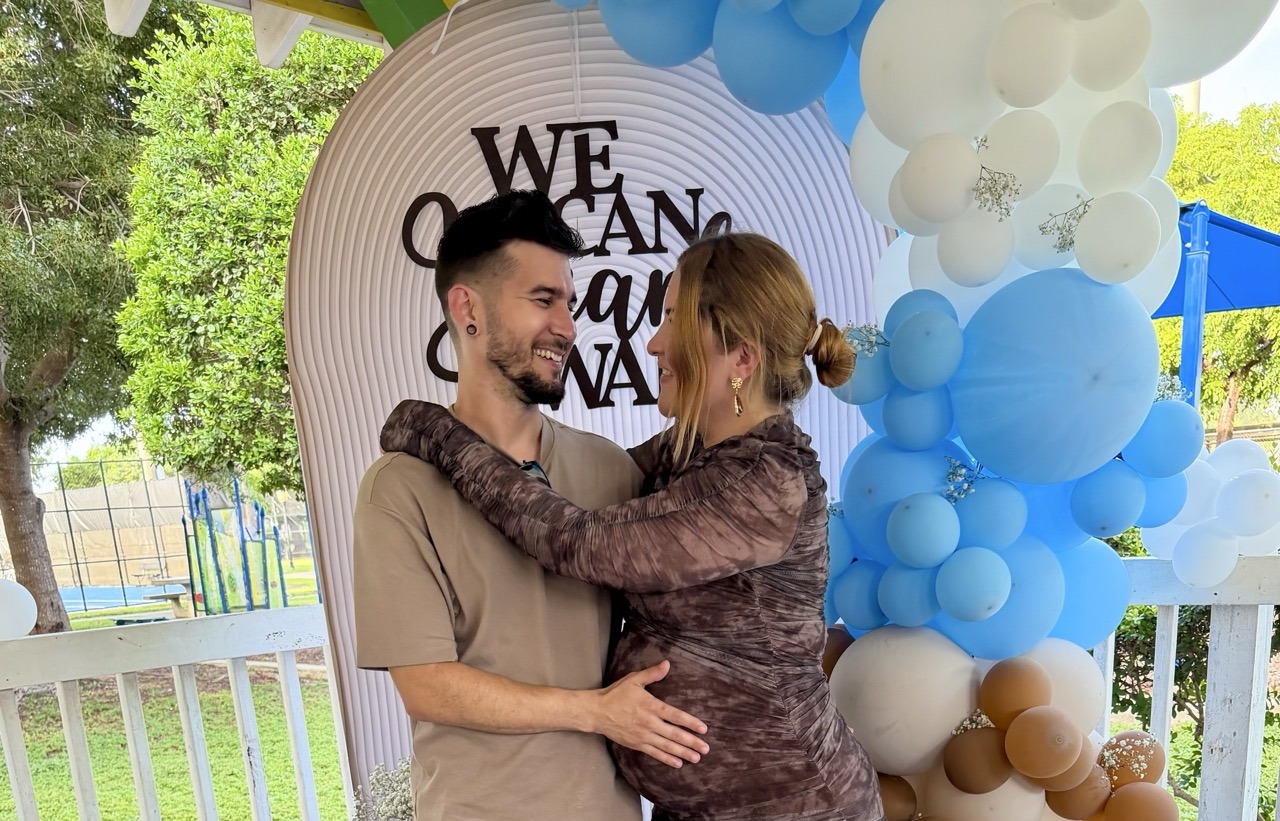
On Nov. 18, Marathon resident Liennys Escalona gave birth to a baby boy. If he had been born a month earlier, her husband, Dasnier Barea Levya, would have been by her side.
But on the day in question, Dasnier was locked in a cage at Alligator Alcatraz.
On Halloween, Dasnier was driving to work at Paradise Tattoo in Key West when he noticed a Customs and Border Patrol truck following him. Minutes later, Liennys said, she was pleading with an officer via speakerphone to explain her husband’s situation.
“(Dasnier) gave him his ID and work permit, the officer went to the computer, came back and said, ‘You do not have a legal status to be here. I have to take you,’” she recalled. “I was picking up my son, I was 37 weeks pregnant, and I had a panic attack and started crying. I just tried to believe this wasn’t happening.”
Both born in Cuba, Liennys and Dasnier met at a local Carnaval celebration – just three months before Liennys would leave for the United States in March of 2017.
“A lot of people don’t believe in this, but it was a first-sight love,” Liennys said.

Dasnier would later come to the U.S. seeking asylum in 2019, marrying Liennys in December that same year. He was processed at the border, had his first court date in a detention center, and was released on a $10,000 bond with his asylum case pending. He wore an electronic anklet for about two years as he awaited the outcome of his case, attending a second hearing as required.
After arriving in the U.S., Liennys was granted parole and successfully sought her own path to citizenship under the Cuban Adjustment Act. But Dasnier was handed an I-220A, a document allowing him to work and live in the U.S. as his asylum case played out – but not valid to use as parole and seek citizenship under the Cuban Adjustment Act.
As Dasnier’s final court date inched closer, Liennys, now a U.S. citizen after being paroled herself, prepared and presented an I-130 petition in July 2022, used to provide an eligible spouse or relative of a citizen with a path to obtain a green card.
Seeing the petition was in process, an immigration judge ordered Dasnier’s case closed on July 22, 2022, according to court records from the Department of Justice’s Executive Office for Immigration Review.
“The judge decided to close the case because we were going through that other way of getting him citizenship,” Liennys said.
In July of 2023, a notice from the Department of Homeland Security told Liennys her petition for Dasnier was approved.
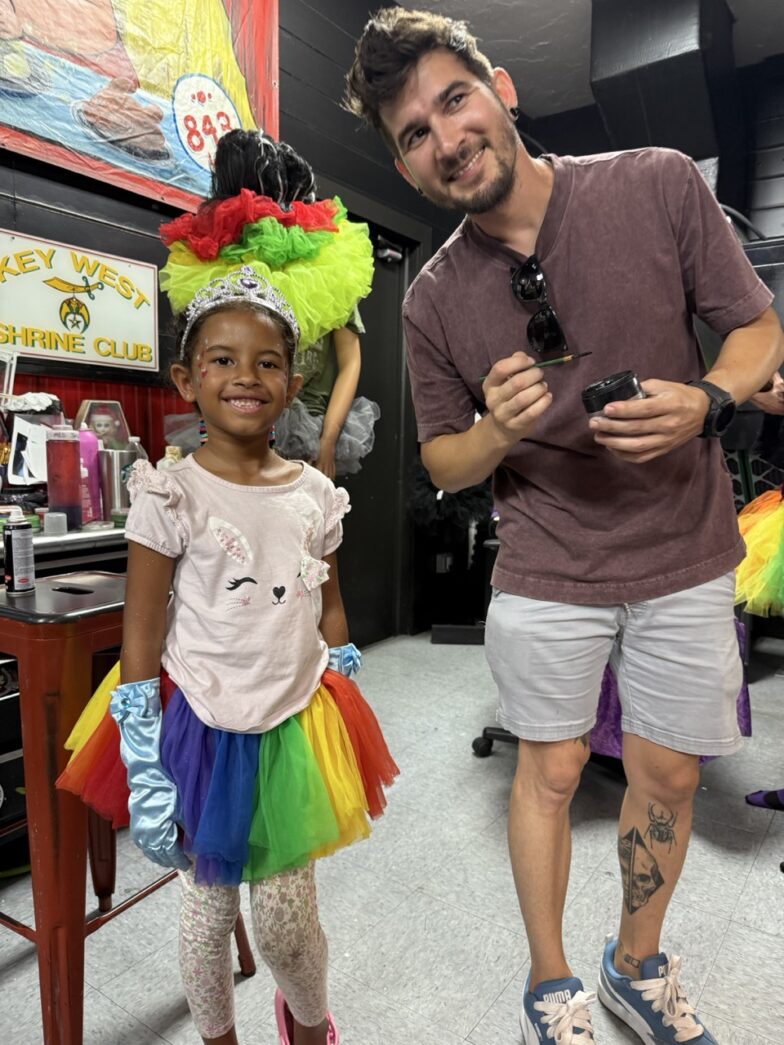
Originally taken to the Marathon CBP facility, officers told Liennys that Dasnier had a chance to be released if she presented all of his original immigration paperwork.
“I gave them all the papers we had, but they just said ‘We have all that in the system. He doesn’t have a green card approved, so he doesn’t have the status to be here,’” Liennys told the Weekly.
“They told me he was going to be moved to Krome (Detention Center) and I would be able to call him and see him – they took him to Alligator Alcatraz,” she said. “Everybody thought that’s where they would take the worst of the worst – that’s not true.”
On Nov. 24, Dasnier was transferred in chains to El Paso, Texas. In total, he’s been detained for more than a month – and still doesn’t have a court date. He still has yet to meet his younger son, born just weeks after his father was arrested.
“(Dasnier) not being able to be at my second birth, it’s something I will never forgive. … This is the real life for so many Cubans – things are just floating in the air,” Liennys said. “We’re basically seeking a humanitarian parole, because our second son is eight days old, (and) my first son is 4-1/2 years old and has a global delay. All the progress he’s made at school, it’s just going back and back and back. … He doesn’t even want to talk to his father now.”
It’s a critical week for Dasnier’s situation, as a federal appeals court is set to hear oral arguments in Miami on Dec. 12 in a major national case concerning all those who entered the U.S. with an I-220A.
Led by Cuban-American attorney Mark Prada and backed by the ACLU, lawyers argue that Cubans initially released with I-220A documents should be considered paroled, allowing them a path to permanent residence under the Cuban Adjustment Act. If successful, it could change the status of hundreds of thousands who were handed the same document as Dasnier – and have lived in legal limbo ever since.
His criminal record is clean, verified in a document stamped by the Monroe County Sheriff’s Office in May 2025. In 2026, the couple had planned to reopen Ink the Keys Tattoo Studio, which drew strong reviews when it operated in Marathon from 2021 to 2023, and continue to raise their family.
Now, they simply hope their family will be in one place.
As temperatures drop in Texas, Liennys said, Dasnier has yet to be provided with so much as a coat to keep warm. He fights an uphill battle to receive any treatment for his sciatic pain, and he’s required to pay daily to stay in contact with his family.
He has yet to meet his newborn son.
“Every Sunday, they say to him ‘Are you ready to sign your deportation papers already? Are you tired already? Are you suffering enough?’” Liennys told the Weekly. “I’m completely with detaining criminals, sex offenders and felons. But what they’re doing now is taking people who are working their path to citizenship and doing everything right.”