


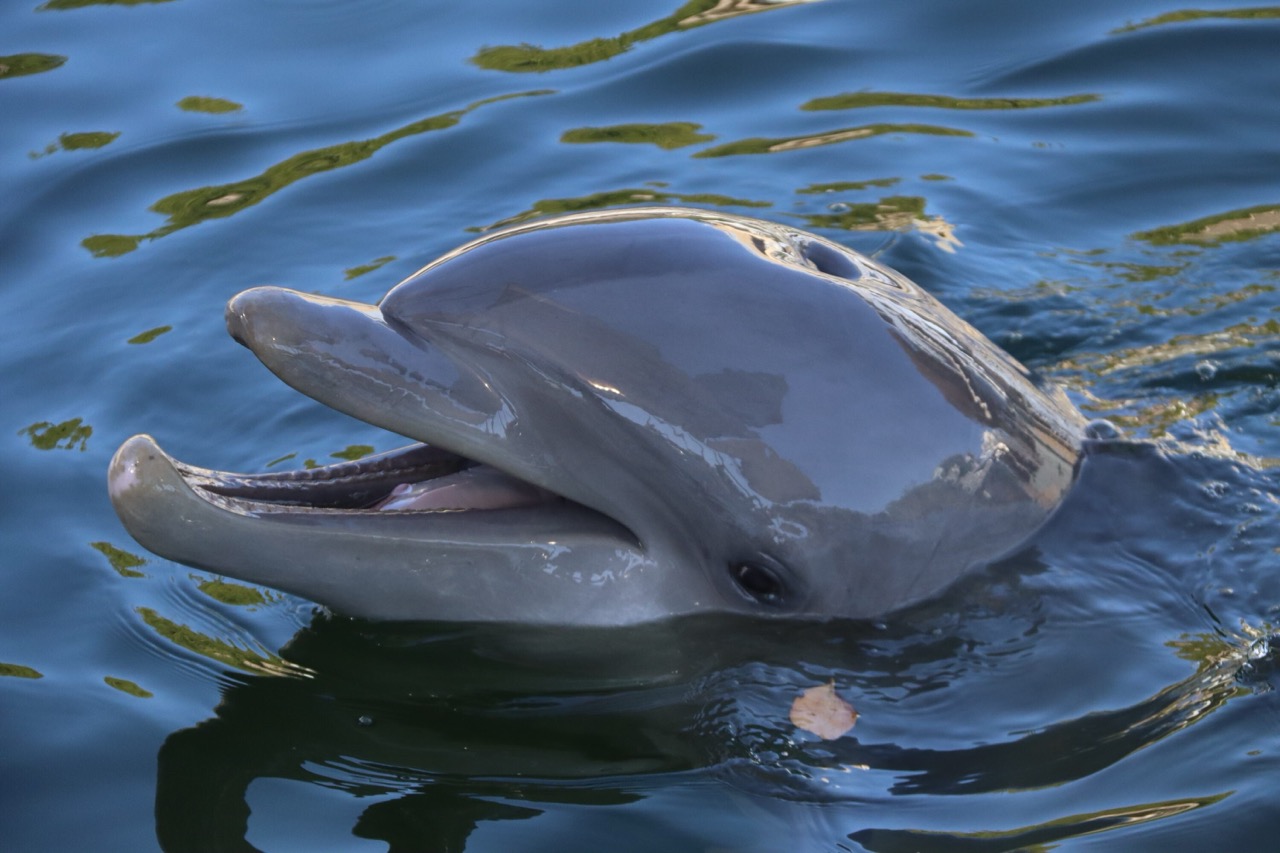
Dolphin Life recently celebrated a milestone — or six, rather — following the successful rehoming of bottlenose dolphins Onyx, Zo, Ripley, Aries, Skye and Ringo from the now-defunct Miami Seaquarium.
The first four dolphins arrived on Dec. 6, 2025, marking the first marine mammal transport out of the Miami facility following its bankruptcy proceedings. Shortly after their arrival, Dolphin Life was called on to take two additional dolphins — Skye, a 28-year-old female and Ringo, a 15-year-old male — whose initial placement options fell through. Skye and Ringo arrived safely on Dec. 31, 2025.
The animals are socializing well, forming new bonds and participating in enrichment and human playtimes throughout the day, all encouraging signs that they are settling into their new environment.
While each dolphin is adapting at its own pace, a few individuals are taking a little longer to adjust to life in an ocean habitat, requiring additional monitoring, individualized care and specialized attention from staff to ensure the continued success of their transition.
But with this effort comes a new reality: more mouths to feed, expanded veterinary needs, more habitats to maintain and a growing public eager to learn about dolphin care and conservation. The rapid and unexpected expansion required to welcome these dolphins has stretched the nonprofit’s resources and created a need for dedicated volunteers to support daily operations, guest education and animal care activities at Dolphin Life Key Largo.

“Opening our hearts and habitat to dolphins in need is exactly why Dolphin Life exists,” said Nancy Cooper, president of Dolphin Life, “But rescue-style rehoming on this scale takes an actual village. Volunteers are the heartbeat of that village — helping us provide exceptional care while inspiring guests to care about dolphins everywhere.”
Volunteers are especially needed during early mornings (about 7 to 9 a.m.) to help prepare the dolphins’ fish diets. Additional opportunities are available throughout the day assisting with guest education, supporting nonprofit operations, helping in the gift shop and pitching in with essential behind-the-scenes tasks that keep the facility running smoothly.
“We’ve seen a huge increase in guests who want to learn about these animals and support them during their transition,” said Amanda Daniels, Dolphin Life’s volunteer coordinator. “It’s amazing to see that curiosity and compassion, but it also means our team is pulled in many different directions.”
Cooper said community members, ocean advocates, students, retirees and anyone passionate about animals or conservation are encouraged to sign up to volunteer at dolphinlife.org/volunteer and complete the online form.
Those who want to support the dolphins’ care can contribute to their food, veterinary and habitat needs at dolphinlife.org/miami.


